
Chainsaw Maintenance Tips for Firewood Season: How to Cut Safely, Cleanly, and Efficiently
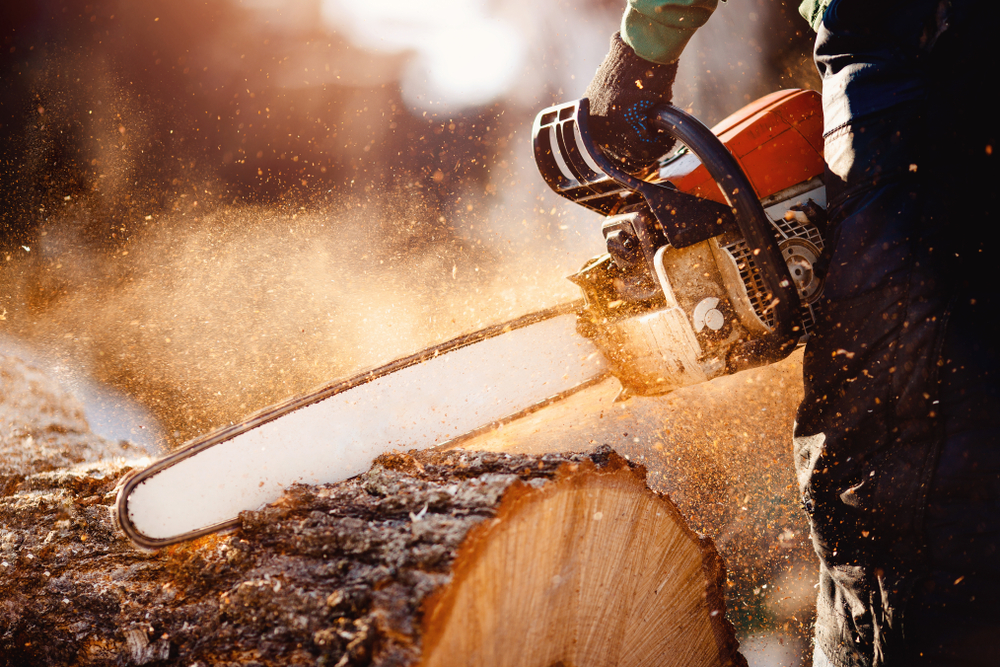
As the weather cools and firewood season approaches, homeowners and professionals alike gear up for a busy season of cutting and splitting logs. A chainsaw is often the tool of choice for this task, but to ensure it operates at peak performance, routine maintenance is absolutely essential. Chainsaws that are properly maintained not only work more efficiently but are also significantly safer to use. With so much riding on proper function, a little attention to upkeep can go a long way in preventing breakdowns and injuries. In this blog, we’ll explore essential chainsaw maintenance practices, safe cutting techniques, and how to keep your equipment in top shape throughout the season.
Preparing Your Chainsaw for the Season
Before making your first cut, it’s crucial to perform a full inspection of your chainsaw. Whether your saw has been sitting in a garage for months or is still recovering from last season’s wear, a thorough check will reveal any issues that need immediate attention. Start by examining the chain for rust, dullness, or damage. A worn chain can easily snag or skip, increasing the chance of kickback. If the chain appears dull or uneven, it’s time to sharpen or replace it. For those uncomfortable doing this themselves, a professional chainsaw sharpening service can ensure precise, safe sharpening.
Next, inspect the bar and chain tension. A loose chain is dangerous and inefficient, while one that’s too tight can damage the bar. Clean out any debris from the bar groove and oil holes to ensure smooth operation. Chainsaw maintenance at this stage should also include checking the air filter and fuel lines. A clogged filter or brittle fuel hose can reduce performance or even stall the engine mid-cut.
If your chainsaw is gas-powered, don’t overlook the spark plug. Replacing a fouled or old spark plug can dramatically improve starting and power. This is also a great time to refill with fresh fuel and oil. Old fuel can gum up the carburetor, so starting with a fresh mix can save time and trouble. If the engine still won’t start or runs inconsistently, a visit to a small engine repair shop may be necessary.
Safe and Clean Cutting Practices
Once your chainsaw is ready, it’s time to focus on proper cutting techniques. Efficiency and safety go hand in hand when cutting firewood. Make sure to wear the appropriate safety gear, including chainsaw chaps, gloves, goggles, and hearing protection. A helmet with face shield is highly recommended, especially if working in wooded or uneven terrain.
Stabilize the log or tree trunk before cutting, and always maintain a firm grip on the saw with both hands. Use a stance that allows for balance and quick movement if needed. Position yourself slightly to the left of the saw to avoid the path of the bar in case of kickback. Avoid cutting above shoulder height or while on unstable surfaces.
Always cut with a sharp chain. A dull chain produces more sawdust than wood chips and requires extra force, increasing the chance of accidents. If your cuts are crooked or smoke is coming from the wood or chain, it may be time to revisit your sharpening routine or locate a local chainsaw sharpening service.
Cutting firewood also involves understanding wood grain and log placement. For optimal results, cut across the grain and segment logs into manageable pieces for splitting. Stack the wood properly to season it for winter use. Implementing these firewood cutting tips will not only save time but ensure your chainsaw endures through the season.
Keeping Your Chainsaw in Top Condition
Ongoing chainsaw maintenance throughout firewood season is just as important as preseason preparation. After every use, take time to clean off dirt, sap, and sawdust from the bar, chain, and air vents. Residue buildup can cause overheating and reduced performance. Inspect the chain tension regularly, especially after it cools from use, since metal can expand and contract with heat.
Lubrication is another essential factor. Make sure your oil reservoir is filled before each job. Running a dry chain can quickly damage both the chain and bar. Also, check the oiler mechanism to confirm it’s dispensing properly. If the bar looks dry after running, your oiler may be clogged or failing. This is one of the most common issues addressed at a chainsaw service and repair center.
For electric chainsaws, keep the battery terminals clean and store the battery at the manufacturer’s recommended temperature. For gas-powered models, clean or replace the air filter regularly to ensure proper airflow and combustion. Filters can clog quickly when cutting resinous or dirty wood, leading to poor engine performance.
Routine inspection of nuts, bolts, and anti-vibration mounts should not be overlooked. Vibration from cutting can loosen parts over time, leading to instability or dangerous failures. Tighten any loose components before starting a job. If you notice vibration increasing or hear odd sounds, it may be time to consult a professional at a chainsaw repair near me location.
Troubleshooting Common Issues
Even with the best care, chainsaws can develop problems during firewood season. Common issues include difficulty starting, poor cutting performance, and inconsistent idling. If your saw won’t start, start by checking the basics: spark plug, fuel, air filter, and carburetor settings. If it still won’t turn over, it may need more advanced attention from a small engine repair shop.
If the chain seems to skip or rattle while cutting, check for proper chain tension and ensure the drive links are seating correctly in the bar groove. A bent bar or worn sprocket can also cause uneven cutting. Chains that seem sharp but don’t cut effectively may be filed at the wrong angle, or the depth gauges may be uneven. These problems are best addressed through a qualified chainsaw sharpening service.
Poor lubrication can cause the chain to overheat, smoke, or dull quickly. Test the oiler by running the saw and watching for oil on a piece of paper or wood. If there’s no sign of oil, the oiler or oil filter may be clogged. Cleaning or replacing these parts can restore function, but if issues persist, professional chainsaw service and repair is recommended.
If your chainsaw cuts in a curve or binds mid-cut, check for uneven teeth lengths or damage to the bar rails. These can typically be corrected with professional help, although regular maintenance can often prevent them from occurring in the first place.
When to Seek Professional Help
Despite your best efforts, there will be times when DIY maintenance is no longer enough. Chainsaws are powerful, complex tools that can be dangerous if not operating correctly. Recognizing when to hand off your equipment to a professional is a vital part of responsible ownership.
If your chainsaw suffers from persistent mechanical problems or if you suspect internal engine damage, the smart move is to find a trusted chainsaw repair near me or take it to a certified small engine repair shop. These professionals can diagnose and resolve issues far beyond what basic tools and knowledge can handle.
Likewise, if your chain is repeatedly dulling or cutting improperly despite regular sharpening, it may be time to outsource the task to a chainsaw sharpening service. Expert sharpening not only restores the correct angle but also balances the teeth, improving cutting precision and reducing strain on the engine.
Many local chainsaw service and repair centers offer seasonal tune-ups, which include carburetor adjustment, full cleaning, part replacement, and performance testing. These services ensure your saw runs smoothly all winter long. Investing in professional maintenance can extend the life of your saw, reduce fuel consumption, and prevent expensive failures down the road.
Conclusion
Firewood season brings the promise of warmth and self-sufficiency, but it also demands reliable tools. Chainsaw maintenance is the key to cutting safely, cleanly, and efficiently throughout the colder months. From preseason inspections to ongoing care and knowing when to call in the professionals, every step matters. Proper sharpening, oiling, and tensioning not only preserve the saw’s life but protect your safety and productivity.
Should you run into problems that go beyond your skills or tools, professional help is always close by. Whether you need a chainsaw sharpening service, a quick fix from a small engine repair shop, or full chainsaw service and repair, investing in expert care ensures your chainsaw performs at its best when you need it most.
As you gear up for firewood season, make chainsaw maintenance a priority. A well-tuned saw not only cuts through wood with ease but also helps you work faster and safer. Keep your tools sharp, your gear clean, and your focus clear for a successful season of firewood cutting.