
Why Won’t My Lawnmower Start After Sitting All Winter?
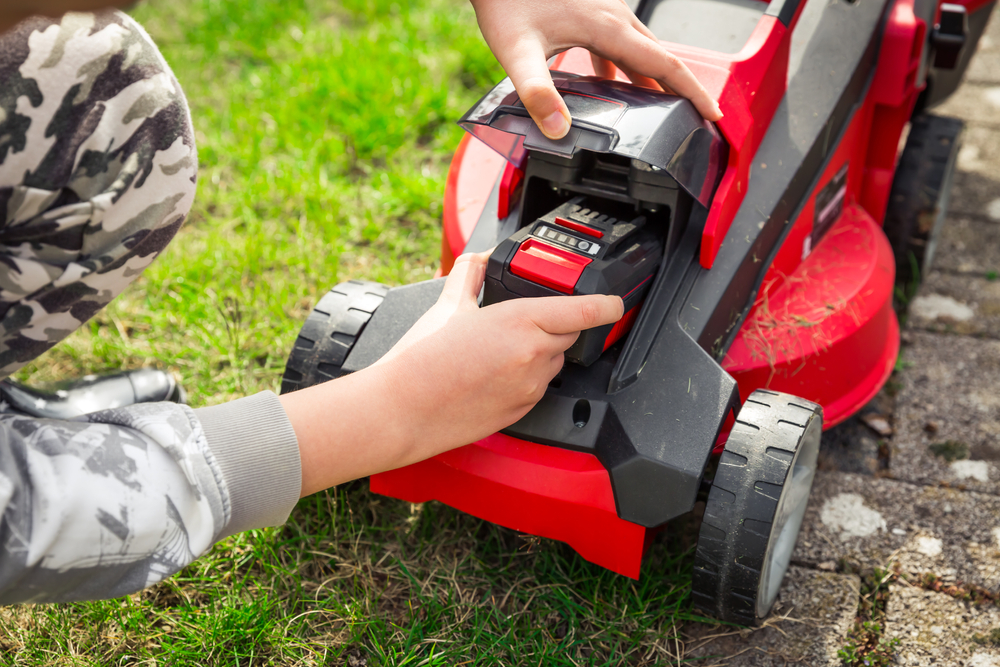
After a long winter in storage, it’s not uncommon for a lawnmower to give you a hard time when you’re ready to fire it up for the first mow of the season. You might yank the starter cord over and over, only to be met with silence or a weak sputter. So, what gives? Why won’t your lawnmower start after sitting all winter? This problem frustrates homeowners every spring, but the reasons are usually straightforward and preventable with a little knowledge and maintenance. Whether you’re dealing with old fuel, gummed-up carburetors, or spark plug issues, this blog will guide you through common causes and how to get your mower running again.
The Silent Culprit: Old Fuel and Ethanol Fuel Damage
Fuel sitting in a gas tank for several months can wreak havoc on your mower’s engine. One of the most common causes of starting issues is stale gasoline. Gasoline starts to degrade after just 30 days, and if it has been sitting all winter, its chemical properties have likely changed. These changes can make it harder to combust properly, which leads to hard starting or complete engine failure.
Compounding this issue is the widespread use of ethanol-blended fuel. Ethanol absorbs moisture from the air, which can lead to water separation in the gas tank. This mixture of ethanol and water can corrode metal components inside the fuel system and clog small engine parts. Ethanol fuel damage is a well-known cause of carburetor and fuel line issues in lawnmowers and other small engines.
If your mower has been sitting with ethanol-blended fuel in the tank since fall, you may need to drain the tank and carburetor entirely. Replacing the old gas with fresh, ethanol-free fuel or a higher-quality gasoline blended with a fuel stabilizer can help restore performance. Many people search for “small engine repair near me” every spring for this very reason.
Why the Carburetor Needs Attention: Cleaning and Maintenance
If bad fuel is the number one suspect, a dirty carburetor is often the accomplice. The carburetor is responsible for mixing air and fuel in the correct ratio for combustion. When gasoline sits for too long, especially with ethanol in the mix, it can leave behind sticky varnish and gummy deposits inside the carburetor. These blockages restrict fuel flow, preventing the engine from getting the mixture it needs to start and run smoothly.
Carburetor cleaning for mowers involves removing the carburetor, disassembling it, and carefully cleaning each part with a specialized carburetor cleaner. In some cases, a full rebuild may be necessary if the damage is extensive. Many DIY enthusiasts are comfortable cleaning their carburetors at home, but if you are unsure, it’s best to look for “small engine repair near me” to ensure it’s done right. Regular carburetor maintenance can help avoid these problems in the future and extend the life of your mower.
Don’t Overlook the Battery and Spark Plug
While fuel and carburetor issues are common, electrical components can also fail during the offseason. If your mower has an electric start, the battery may have discharged completely over the winter. Cold temperatures can drain battery life, especially if it wasn’t disconnected or stored properly. A dead battery will prevent the engine from turning over, even if everything else is in working order.
In addition to the battery, spark plugs play a critical role in engine ignition. A fouled or corroded spark plug can keep your mower from starting. Over time, carbon deposits can build up on the electrode, reducing its effectiveness. Spark plugs are relatively inexpensive and easy to replace, making them one of the first things you should check if your mower is unresponsive.
To test a spark plug, remove it from the engine, inspect for buildup or wear, and use a spark tester if you have one. If the plug is dirty or worn, replace it with a new one of the same type. This quick fix often restores the spark needed to bring your mower back to life.
How Fuel Stabilizers Can Save You Next Winter
One of the most effective ways to prevent fuel-related issues is to treat your gasoline with a fuel stabilizer before storing your mower for the winter. A good fuel stabilizer for small engines helps preserve the fuel’s chemical integrity and prevents the formation of gum and varnish in the fuel system. It also reduces the risk of water absorption from ethanol blends, offering added protection against corrosion.
To use a stabilizer, simply add the recommended amount to a fresh tank of gas, then run the engine for a few minutes to ensure it circulates through the carburetor and fuel lines. This small step can make a big difference when spring rolls around. You’ll be more likely to start your mower on the first pull rather than wrestling with clogs, old fuel, and gummed-up parts. For many homeowners, adding a stabilizer becomes a standard part of their end-of-season lawn equipment maintenance.
When to Seek Professional Help
Sometimes, despite your best efforts, your mower still refuses to start. If you’ve drained the old gas, cleaned the carburetor, replaced the spark plug, and checked the battery, but the engine still won’t turn over, it might be time to seek professional help. Internal engine issues, such as worn valves, compression problems, or more serious fuel system blockages, may require tools and expertise beyond what’s available in a typical garage.
This is when a search for “small engine repair near me” becomes more than just convenience. Experienced technicians can diagnose complex problems quickly and safely. They’ll have access to the necessary tools, parts, and diagnostic equipment to get your mower running again. While some may hesitate at the cost, professional servicing often prevents further damage and can even extend the life of your machine by years.
Many small engine repair shops also offer seasonal tune-up packages, which include oil changes, air filter replacements, blade sharpening, and full system checks. Scheduling one of these before the mowing season starts ensures your equipment performs reliably all summer long.
Conclusion
A lawnmower that won’t start after sitting all winter is more than just a seasonal nuisance. It’s a sign that small engines need care and preparation to function properly year after year. From ethanol fuel damage to carburetor cleaning for mowers and simple spark plug checks, many common problems are both preventable and fixable with the right knowledge and tools. Using a fuel stabilizer for small engines before winter storage can go a long way in protecting your investment and saving time in the spring.
If you’ve tried everything and your mower still won’t start, there’s no shame in calling in a professional. A quick search for “small engine repair near me” can connect you with the help you need to get your mower back in action. With proper maintenance and seasonal preparation, you can enjoy a trouble-free mowing season and keep your yard looking its best.