
Keep Your Chainsaw Running Smoothly for a Safe and Efficient Firewood Season
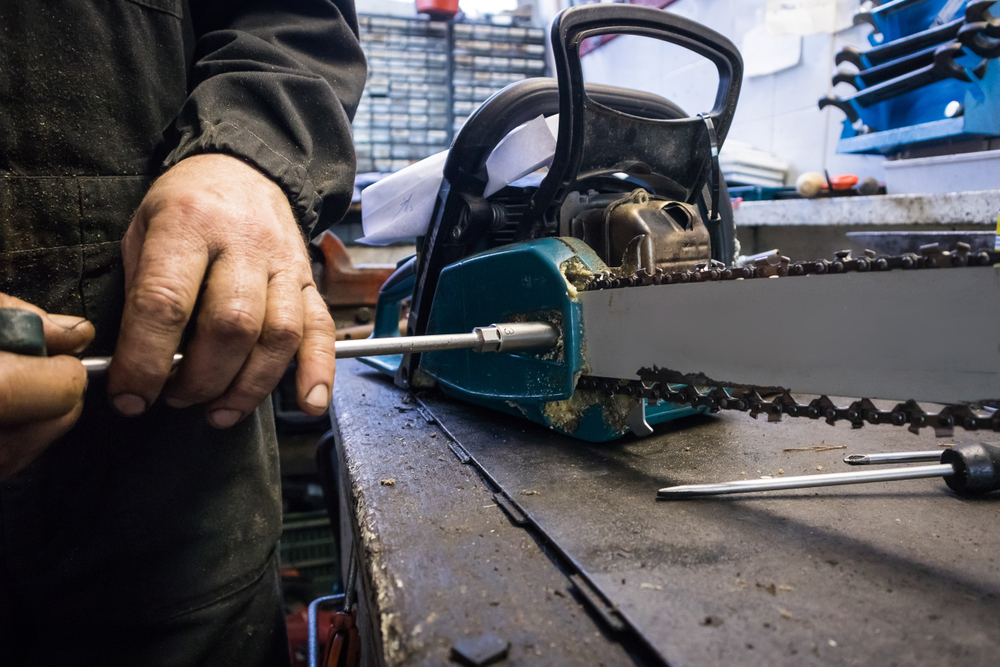
As the leaves turn and the temperatures drop, many homeowners gear up for the annual ritual of firewood preparation. A reliable chainsaw is a critical tool in this process, making cutting, trimming, and bucking logs much easier and faster. But like any tool powered by a small engine, chainsaws demand regular upkeep and attention. Proper chainsaw maintenance is not only essential for performance but also for user safety and longevity of the tool. Whether you’re a weekend warrior stocking up firewood for winter or someone who uses a chainsaw professionally, keeping it in peak condition ensures a smoother and safer cutting season.
The Importance of Chainsaw Maintenance
Every machine with moving parts is subject to wear and tear, and chainsaws are no exception. The intense workload, exposure to dust, debris, and constant vibration can quickly take a toll. Regular chainsaw maintenance involves cleaning, lubricating, adjusting, and replacing parts as needed. Neglecting these responsibilities can lead to inefficient performance, breakdowns, and even hazardous situations.
A well-maintained chainsaw cuts cleaner and faster. It reduces the strain on the motor, conserves fuel, and protects you from dangerous kickbacks or unexpected shutdowns. For those relying on their equipment for firewood preparation, this means less time struggling with a dull chain or a stalling engine, and more time staying warm during winter.
Routine maintenance also extends the lifespan of the tool, saving money in the long run. Whether it’s sharpening the chain, changing the spark plug, or cleaning the air filter, a little care goes a long way in preventing costly chainsaw repair.
Troubleshooting Common Chainsaw Problems
Even with diligent maintenance, chainsaws can occasionally run into issues. Some of the most common problems users face include difficulty starting the engine, reduced cutting power, or stalling during use. Recognizing these early signs and addressing them through proper chainsaw repair practices can prevent bigger problems down the line.
A chainsaw that won’t start may be suffering from a fouled spark plug, old fuel, or a clogged carburetor. Cleaning or replacing the spark plug and ensuring the fuel is fresh can resolve most starting problems. If the chain is dull or improperly tensioned, you’ll notice poor cutting performance. Re-sharpening or replacing the chain and adjusting the tension can bring it back to full functionality.
Inconsistent power or frequent stalling may point to issues with the fuel filter, air filter, or exhaust port. Each of these parts can become clogged over time and should be inspected and cleaned regularly. These small engine service tasks may seem minor, but they are vital to keep your chainsaw running smoothly and efficiently throughout the firewood season.
Preparing Your Chainsaw for Firewood Season
Firewood preparation often means working in cold, damp environments, which can affect both your equipment and your workflow. Before the season begins in earnest, it’s wise to perform a comprehensive tune-up on your chainsaw to ensure it’s ready for heavy use.
Start by inspecting the guide bar and chain for wear. The bar should be straight, and the chain should show no signs of damage or excessive dullness. Clean the oil ports and ensure the chain oiler is working properly to avoid overheating. Lubrication is essential in maintaining smooth operation and preventing premature wear on the chain and bar.
Check all fuel and oil lines for cracks or leaks. Replace any compromised lines to prevent dangerous leaks that could lead to engine failure or fire hazards. Make sure the air filter is clean and unobstructed, as a dirty air filter can significantly reduce engine efficiency and power.
Another crucial area is the chain brake. This safety feature is designed to stop the chain instantly in case of a kickback. Test the brake before starting your work to ensure it engages properly. Also, inspect the sprocket for wear and make sure the chain drive system moves freely without binding.
Before firing up your chainsaw for the first big cutting session, fill it with fresh fuel and bar oil. Allow it to warm up at idle speed to check for any abnormal sounds or behaviors. A few moments spent verifying performance now can save hours of downtime later.
Safety First: Best Practices for Chainsaw Use
Chainsaw safety is paramount. Each year, thousands of injuries occur due to improper use or poor maintenance of chainsaws. Most of these accidents are preventable with the right precautions and habits.
Before using the chainsaw, always wear proper personal protective equipment (PPE). This includes chainsaw chaps or pants, eye protection, hearing protection, gloves, and sturdy boots. Even experienced users can be caught off guard by a sudden kickback or slipping log.
Always operate the chainsaw with both hands firmly gripping the handles and maintain stable footing. Avoid cutting above shoulder height or using the tip of the saw, both of which increase the risk of kickback. Keep bystanders, especially children and pets, well away from the work area.
Make sure your chainsaw’s safety features are functioning correctly. The throttle lock, chain brake, and anti-vibration system are there to protect you. If any of these are malfunctioning, do not use the saw until they are repaired.
Regularly inspect the work area for hazards such as uneven terrain, hidden rocks, or dry brush that could ignite. Plan your cutting technique in advance, especially when felling trees or cutting large logs, to avoid getting the saw pinched or causing the wood to fall unpredictably.
When to Seek Professional Small Engine Service
While many maintenance tasks and minor repairs can be handled by the owner, some situations call for professional attention. If your chainsaw exhibits signs of major engine trouble, such as persistent stalling, smoking, or loss of compression, it may be time to visit a small engine service specialist.
Professionals can perform diagnostic tests and deep cleaning that go beyond routine care. They can also identify worn parts that may not be visible to the untrained eye. For newer chainsaws still under warranty, professional service ensures that maintenance complies with manufacturer guidelines, helping you retain coverage.
If you’re unsure about the right fuel mix, chain compatibility, or are facing ongoing operational issues despite your best efforts, don’t hesitate to consult a service center. Investing in expert chainsaw repair might cost a little more upfront, but it guarantees a safer and more reliable tool when you need it most.
Many small engine service shops also offer seasonal tune-up packages, which can be an excellent option as you prepare for firewood season. These typically include a full inspection, cleaning, and replacement of key components like the spark plug, air filter, and fuel lines.
Conclusion
A well-maintained chainsaw is your best ally during firewood preparation season. Taking the time to perform routine chainsaw maintenance not only protects your investment but also ensures a smoother, more efficient workflow and, most importantly, a safer operating environment. From checking chains and guide bars to cleaning air filters and replacing worn parts, every step contributes to a high-performing tool you can count on. And when in doubt, professional small engine service is always a worthwhile option. Remember, chainsaw safety begins with a properly maintained machine. With a little preparation and care, you’ll be ready to tackle any logpile with confidence and efficiency.