
Why Your Zero-Turn Mower is Cutting Uneven (And How to Fix It Before the Weekend)
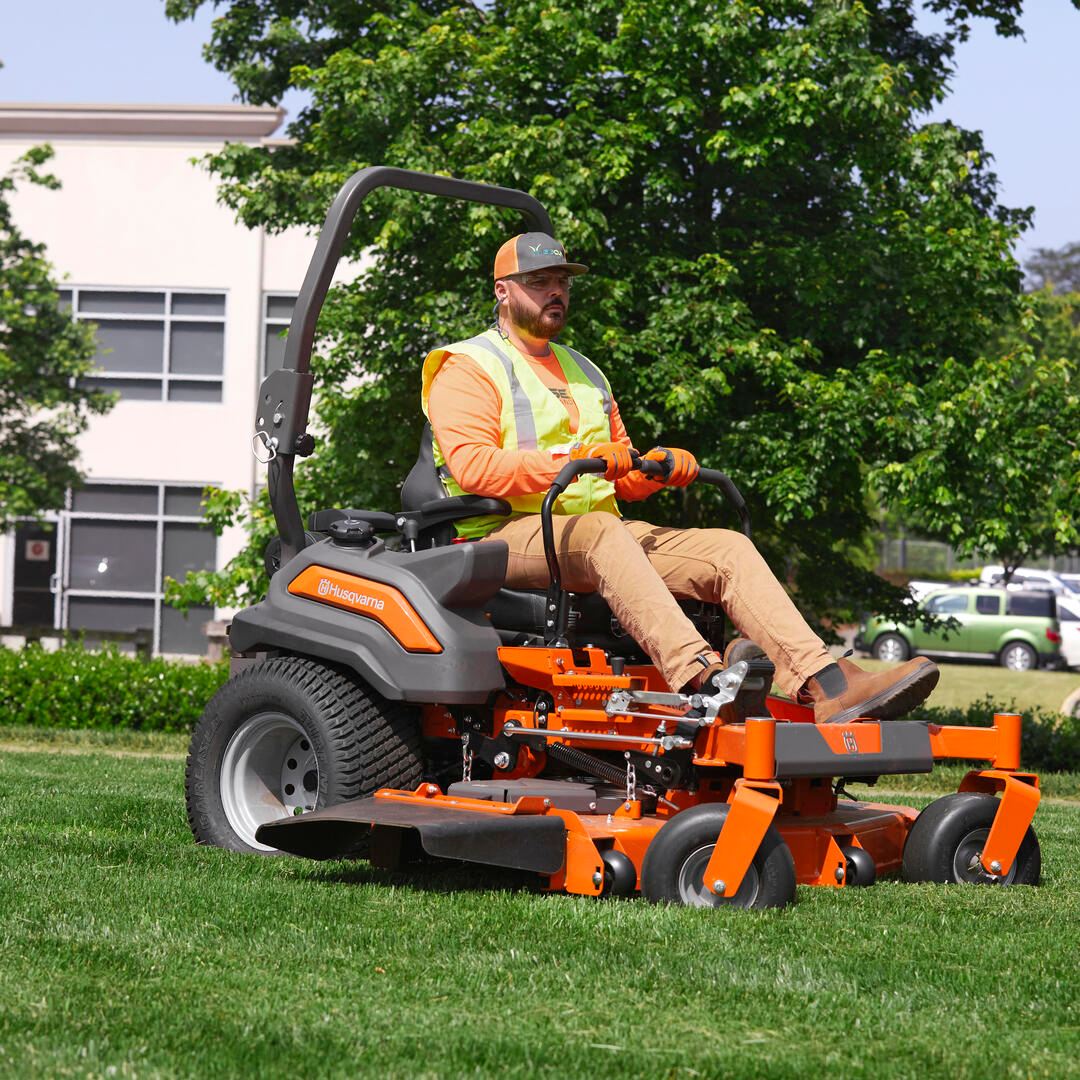
If you’ve only got Saturday to mow and your zero-turn mower suddenly starts leaving streaks across the yard, you’re not alone. West Tennessee’s heat and humidity can make grass grow fast, and a mower that isn’t cutting evenly can quickly turn a simple weekend chore into an all-day frustration.
Whether you own a few acres outside Bells, maintain a property near Alamo, or run a lawn care business serving Brownsville and Crockett County, identifying the cause early can save time, money, and unnecessary wear on your equipment.
Quick Answer
An uneven lawn mower cut is most commonly caused by uneven tire pressure, dull or bent blades, a mower deck that’s out of level, or worn suspension and spindle components. Many of these issues can be checked at home in just a few minutes. If the problem continues after basic maintenance, a professional inspection can help prevent more expensive repairs and get your mower ready before another weekend of fast-growing grass.
What Local Readers Should Know
- West Tennessee’s combination of frequent rain and high summer humidity causes lawns to grow quickly, making consistent mower performance especially important.
- Even a small difference in tire pressure can noticeably affect cut height on a zero-turn mower.
- Multi-acre properties throughout Crockett County often put more hours on mowing equipment, increasing normal wear on blades, belts, and deck components.
- Commercial landscapers around Bells, Alamo, and Brownsville can reduce costly downtime by addressing uneven cutting before it becomes a larger mechanical issue.
- Regular inspections throughout mowing season are easier and less expensive than waiting until a breakdown interrupts your schedule.
Why This Matters Locally
An uneven cut isn’t just about appearance. During peak growing season in Bells, lawns can become overgrown in only a few days after a stretch of warm temperatures and afternoon storms. Missing a weekend of mowing often means spending twice as long catching up the following week.
At Hill’s Repair Shop, we understand how valuable your weekends are. We believe homeowners, acreage owners, hobby farmers, and local lawn care professionals deserve straightforward advice before jumping straight into repairs. A few quick checks may solve the problem. If not, we’re here to help get your mower back to work quickly.
Local Field Observations
Based on what we commonly see in the Bells area, uneven cutting tends to become more frequent during the busiest part of mowing season. Fast-growing grass puts extra strain on blades and belts, while rough terrain, hidden roots, and occasional rocks can bend blades or knock decks slightly out of alignment.
Properties with several acres naturally accumulate more mowing hours each season, making preventative maintenance especially valuable before small problems become larger repairs.
Local Impact
An uneven lawn mower cut creates more than cosmetic problems.
For homeowners, it often means making another pass across the yard, using more fuel, and spending more time outside in West Tennessee’s summer heat.
For commercial lawn care operators, poor cut quality can affect customer satisfaction and delay multiple scheduled jobs throughout the day.
For acreage owners, repeated mowing with damaged components may place additional stress on the mower deck, spindle assemblies, and drive system.
Warning Signs Your Zero-Turn Needs Attention
A zero-turn mower often gives warning signs before a major repair is needed.
- The mower leaves strips of taller grass after every pass.
- One side consistently cuts lower than the other.
- Grass appears torn instead of cleanly cut.
- The mower vibrates more than normal while operating.
- You hear unusual noises coming from the mower deck.
- The steering or ride feels different than usual.
- The mower scalps certain areas that previously cut evenly.
Common Causes of an Uneven Lawn Mower Cut
1. Uneven Tire Pressure
The simplest problem is often the correct one.
Zero-turn mowers rely on properly inflated tires to maintain deck height. Even a few pounds of pressure difference between tires can noticeably change how the blades contact the grass.
Always check tire pressure before adjusting the mower deck.
2. Dull or Bent Blades
Sharp blades produce a clean, even cut.
Striking rocks, tree roots, hidden branches, or other obstacles common on rural properties around Crockett County can bend a blade or damage its cutting edge.
If one blade is damaged, replacing or servicing both blades together generally provides the most consistent cutting performance.
3. An Unlevel Mower Deck
A mower deck should sit at the manufacturer’s recommended height and pitch.
Over time, vibration, normal wear, and occasional impacts can gradually move adjustment points out of specification.
A deck that’s only slightly out of level may still leave visible streaks across the lawn.
4. Worn Spindles or Bearings
Blade spindles allow blades to rotate smoothly.
When bearings begin wearing out, blades may wobble during operation, producing an inconsistent cut while also creating vibration.
Ignoring this issue can eventually damage additional mower components.
5. Worn Belts
A stretched or slipping deck belt may prevent blades from maintaining full speed.
Lower blade speed often results in ragged grass tips and inconsistent cutting, especially in thicker summer grass.
When to Call a Professional
Many basic maintenance items are safe for homeowners to inspect.
You can generally:
- Check tire pressure.
- Inspect blades for visible damage.
- Remove built-up grass from beneath the deck after disconnecting the spark plug and following manufacturer safety procedures.
- Verify obvious loose hardware.
Professional service is recommended if:
- The mower continues cutting unevenly after these checks.
- The deck requires precise leveling.
- Spindles, bearings, belts, or pulleys appear worn.
- You notice excessive vibration.
- The mower strikes a large obstacle and immediately begins cutting poorly.
Professional diagnosis can often identify several small issues during one inspection, helping prevent future downtime.
Prevention and Maintenance
Preventative maintenance is usually less expensive than repairing avoidable damage.
Good seasonal habits include:
- Check tire pressure before each mowing session.
- Sharpen or replace blades as recommended by your mower manufacturer.
- Clean accumulated grass from underneath the deck regularly.
- Inspect belts for cracking or excessive wear.
- Listen for unusual noises before they become major failures.
- Schedule seasonal lawn mower service in Crockett County before peak mowing season begins.
Expected Results After Proper Service
Once underlying issues are corrected, most owners notice immediate improvements.
A properly serviced zero-turn should:
- Produce an even, consistent cut.
- Leave cleaner grass tips.
- Reduce vibration.
- Improve mowing efficiency.
- Require fewer repeat passes across the yard.
- Help extend the life of major mower components.
Common Mistakes to Avoid
Mistake: Adjusting the mower deck before checking tire pressure.
Consequence: The deck may still be uneven after adjustment.
Better approach: Verify tire pressure first, then measure deck height.
Mistake: Continuing to mow with bent blades.
Consequence: Additional vibration may damage spindles or bearings.
Better approach: Replace damaged blades promptly.
Mistake: Ignoring unusual vibration.
Consequence: Small repairs may develop into more expensive mechanical problems.
Better approach: Have the mower inspected before the issue worsens.
A Common Local Scenario
A homeowner with several acres outside Bells notices stripes of taller grass after mowing. Tire pressure checks reveal one front tire is several pounds lower than the other. After correcting the pressure, the mower cuts more evenly, but a slight vibration remains. A professional inspection later identifies a partially bent blade that likely resulted from striking a hidden root earlier in the season. Addressing both issues restores clean, even mowing before another busy weekend.
Related Service Solutions
If DIY troubleshooting doesn’t solve the problem, professional service can help identify issues that aren’t easily visible.
Services that commonly address uneven cutting include:
- Blade replacement and sharpening
- Deck leveling
- Belt inspection and replacement
- Spindle and bearing replacement
- Seasonal tune-ups
- Complete zero-turn mower repair in Bells TN
DIY vs. Professional Repair
| DIY Checks | Professional Service |
|---|---|
| Tire pressure | Precision deck leveling |
| Visual blade inspection | Spindle diagnosis |
| Deck cleaning | Belt and pulley inspection |
| Basic maintenance | Comprehensive mechanical inspection |
| Safe owner maintenance | Repairs requiring specialized tools |
Service Areas
We’re proud to serve homeowners, acreage owners, and commercial mowing professionals throughout Bells, Alamo, Brownsville, Crockett County, and nearby West Tennessee communities. Whether your mower handles a residential lawn or multiple commercial properties, we’re here to help keep it performing at its best.
The Cost of Waiting
Putting off repairs can lead to more than an unattractive lawn.
Continuing to mow with damaged blades, worn bearings, or an improperly adjusted deck may increase wear on other components, reduce mowing efficiency, and create additional repair costs later in the season. Addressing problems early helps keep your equipment ready when the grass starts growing fast.
Frequently Asked Questions
Why is my zero-turn mower leaving strips of uncut grass in Bells?
The most common reason is uneven blade height, dull blades, or low tire pressure. Because lawns in Bells often grow quickly during summer, these small issues become much more noticeable.
How often should I sharpen my mower blades in Crockett County?
The answer depends on usage, but properties with heavy mowing schedules or rough terrain often require more frequent blade maintenance than smaller residential lawns.
Can uneven tire pressure really affect cut quality?
Yes. Even small differences in tire pressure can change deck height enough to create an uneven lawn mower cut.
Should I replace both blades if only one is bent?
Yes. Replacing or servicing both blades together generally provides more balanced performance and a more consistent cut.
When should I schedule lawn mower service in Crockett County?
The best time is before peak summer mowing begins or as soon as you notice changes in cut quality, vibration, or unusual noises.
Do commercial landscapers benefit from preventative maintenance?
Yes. Preventative maintenance helps reduce unexpected downtime, allowing commercial mowing crews to stay on schedule during the busiest part of the season.
Keep Your Weekends Focused on Your Yard, Not Your Repairs
A few simple checks can often solve uneven cutting, but some problems require experienced diagnosis. Whether you maintain one yard or several acres, addressing small issues early helps keep your mower reliable throughout West Tennessee’s busiest mowing season.
Get Back to a Clean, Even Cut
Our goal is to help you spend less time troubleshooting and more time enjoying a mower that performs the way it should.