
Is Your Chainsaw Bogging Down? How to Spot (and Fix) a Clogged Spark Arrestor
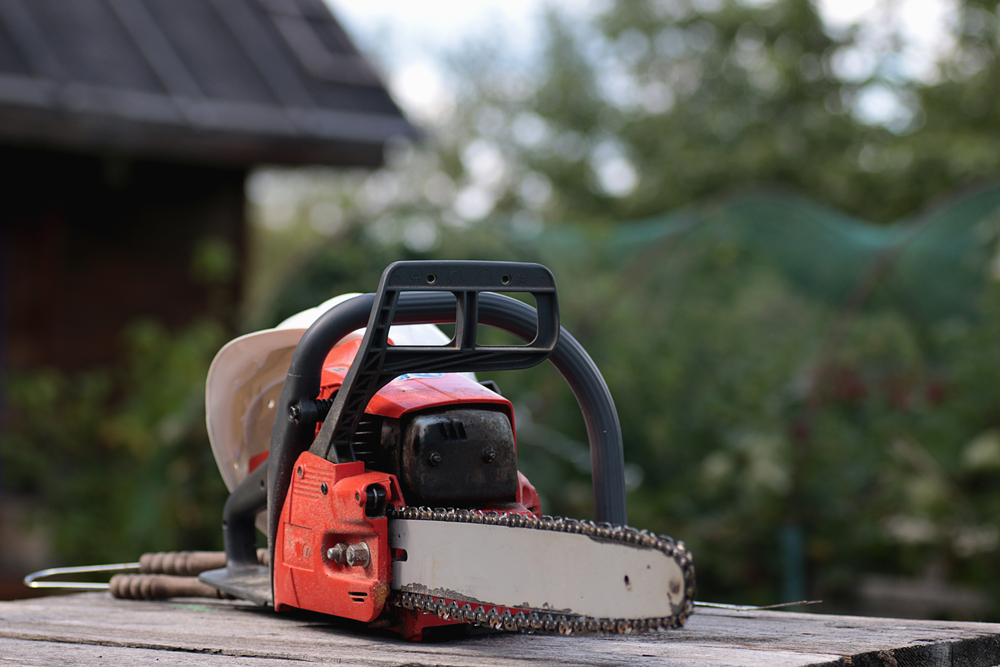
If your chainsaw starts losing power halfway through a cut, stalls under load, or refuses to reach full RPM, a clogged spark arrestor could be the culprit. For tree service professionals, firewood cutters, and rural landowners across Bells, Alamo, Brownsville, and Crockett County, downtime means lost productivity, especially during storm cleanup or busy cutting seasons.
Quick Answer
A clogged spark arrestor restricts exhaust flow, making your chainsaw run poorly, lose power under load, and struggle to maintain cutting performance. Cleaning or replacing the spark arrestor often restores performance, but excessive carbon buildup can also indicate underlying engine or fuel system issues that deserve professional attention.
What Local Readers Should Know
- A chainsaw losing power under load is often caused by restricted exhaust, not just a dull chain or bad fuel.
- Heavy cutting of hardwood common throughout Crockett County can increase carbon buildup over time.
- Storm cleanup after severe West Tennessee weather places extra demand on professional-grade chainsaws.
- Regular inspection of the spark arrestor helps reduce unexpected downtime for arborists, landowners, and firewood cutters.
- Professional chainsaw repair in Bells TN can identify whether the spark arrestor is the only problem or part of a larger engine issue.
Why This Matters Locally
A clogged spark arrestor can quickly become a major problem for anyone relying on outdoor power equipment across West Tennessee. Whether you’re clearing fence lines outside Bells, processing firewood near Alamo, or handling storm damage around Brownsville, your saw needs to deliver consistent power.
Hill’s Repair Shop understands how valuable dependable equipment is during the busiest times of year. We work with local property owners, logging professionals, and commercial tree crews who depend on reliable performance every day.
Local Field Observations
Based on common service observations, carbon buildup tends to become more noticeable after extended periods of heavy cutting, especially when equipment is operated for long hours without routine maintenance. Chainsaws used by tree service companies, logging operations, and storm cleanup crews often accumulate debris faster simply because of the demanding workloads they handle.
Local Impact
For homeowners, reduced chainsaw performance means projects take longer and become more physically demanding.
For commercial crews, every minute spent troubleshooting equipment affects productivity. Tree care businesses working throughout Bells, Alamo, Brownsville, and surrounding communities often operate on tight schedules. Equipment that cannot maintain peak RPM slows the entire crew and may delay job completion.
Warning Signs of a Clogged Spark Arrestor
A clogged spark arrestor usually develops gradually before becoming severe enough to stop work altogether.
Common warning signs include:
- Your chainsaw loses power while cutting thicker logs.
- The engine struggles to reach full throttle.
- Acceleration feels sluggish.
- The saw idles normally but bogs down during heavy cuts.
- Fuel consumption seems higher than normal.
- Excessive carbon deposits are visible around the muffler.
- The engine stalls even though fresh fuel and a clean air filter are installed.
These symptoms can resemble carburetor or ignition problems, which is why proper diagnosis is important.
When to Call a Professional
If cleaning the spark arrestor does not restore performance, it’s time for a more complete inspection.
Professional service becomes worthwhile when:
- The chainsaw continues losing power under load.
- The spark arrestor repeatedly clogs after cleaning.
- Engine performance continues to decline.
- The muffler or exhaust components appear damaged.
- Carburetor adjustment or engine tuning may be required.
An experienced technician can determine whether restricted exhaust is the root cause or whether additional repairs are needed.
Common Local Causes
Several conditions contribute to spark arrestor buildup in West Tennessee.
Heavy Continuous Cutting
Professional arborists and firewood cutters often run chainsaws for extended periods, allowing carbon deposits to accumulate faster than occasional residential use.
Poor Fuel Quality
Old gasoline or improper fuel mixtures can increase carbon formation inside the exhaust system.
Long Idle Times
Storm cleanup crews sometimes spend significant time idling equipment between cuts, contributing to incomplete combustion and additional deposits.
Deferred Maintenance
Busy cutting seasons make it easy to postpone preventive maintenance until performance noticeably declines.
Prevention and Maintenance
Preventing spark arrestor problems is much easier than dealing with unexpected downtime.
Helpful maintenance practices include:
- Inspect the spark arrestor during routine service intervals.
- Use fresh fuel mixed according to manufacturer recommendations.
- Replace worn spark plugs as needed.
- Clean the air filter regularly.
- Avoid storing fuel for long periods.
- Schedule seasonal inspections before storm season or heavy firewood cutting begins.
Routine maintenance helps professional equipment stay productive throughout demanding workloads.
Expected Results
If the spark arrestor is the primary issue, cleaning or replacing it can restore normal exhaust flow and improve engine performance.
However, if carbon buildup has developed alongside carburetor issues, ignition problems, or engine wear, additional repairs may be necessary before full power returns.
A complete inspection provides the clearest picture of what your equipment needs.
Common Mistakes
Mistake: Replacing Parts Without Diagnosing the Problem
Consequence: Money gets spent replacing spark plugs, carburetors, or fuel lines that were not causing the issue.
Better Approach: Begin with a complete inspection that evaluates the exhaust, ignition, fuel delivery, and air intake systems together.
Mistake: Continuing to Operate a Bogging Chainsaw
Consequence: Reduced productivity, increased fuel consumption, and additional engine wear.
Better Approach: Address power loss early before more expensive repairs become necessary.
Mistake: Ignoring Routine Maintenance
Consequence: Carbon buildup gradually reduces performance until equipment becomes unreliable during important jobs.
Better Approach: Include spark arrestor inspection as part of regular chainsaw maintenance.
Common Local Scenario
A tree service crew finishes several days of heavy storm cleanup around Crockett County and notices one professional saw struggling during larger cuts. The chain remains sharp, fresh fuel has been added, and the air filter is clean. Inspection reveals a heavily carbon-coated spark arrestor restricting exhaust flow. After servicing the exhaust system and confirming proper engine operation, the saw returns to normal cutting performance.
Related Service Solutions
A clogged spark arrestor is only one possible cause of poor chainsaw performance.
Other related services may include:
- Complete chainsaw diagnostics
- Carburetor adjustment
- Fuel system inspection
- Ignition system testing
- Muffler repair
- Routine logging equipment service in Crockett County
- Preventive maintenance for commercial outdoor power equipment
Comparing Your Options
| DIY Cleaning | Professional Service |
|---|---|
| Suitable for light carbon buildup. | Includes complete engine and exhaust diagnosis. |
| Requires proper tools and careful handling. | Identifies multiple performance issues at once. |
| May solve minor restrictions. | Helps prevent recurring power loss. |
| Best for experienced equipment owners. | Ideal for commercial operators and heavily used equipment. |
Service Areas
We proudly serve customers throughout Bells, Alamo, Brownsville, Crockett County, and surrounding areas across West Tennessee. Whether you’re maintaining residential equipment or keeping an entire commercial fleet running, dependable service helps reduce downtime.
Cost of Ignoring the Issue
Ignoring a clogged spark arrestor rarely makes the problem disappear.
Reduced engine performance can increase fuel consumption, slow production, place additional strain on engine components, and eventually lead to more costly repairs. For commercial operators, lost productivity often costs more than preventive maintenance.
Frequently Asked Questions
Can a clogged spark arrestor really cause a chainsaw to lose power under load?
Yes. A clogged spark arrestor restricts exhaust flow, making it difficult for the engine to breathe properly. The result is often a chainsaw losing power under load, sluggish acceleration, and reduced cutting performance.
How often should chainsaw owners in Bells inspect the spark arrestor?
The answer depends on how frequently the saw is used. Professional operators in Bells may inspect it regularly during busy seasons, while occasional homeowners can typically include it as part of routine annual maintenance.
Does heavy hardwood cutting in Crockett County affect spark arrestor buildup?
Yes. Frequent heavy cutting increases engine operating time, which can accelerate carbon accumulation inside the exhaust system, especially on professional-grade equipment.
Can I clean a spark arrestor myself?
Yes. Many spark arrestors can be removed and cleaned carefully according to the manufacturer’s recommendations. If performance does not improve afterward, additional diagnosis is recommended.
Should storm cleanup crews service chainsaws before severe weather season?
Yes. Preparing equipment before severe weather arrives helps reduce unexpected failures when dependable performance matters most.
What else causes a chainsaw to lose power besides a clogged spark arrestor?
Other common causes include carburetor problems, fuel delivery issues, dirty air filters, ignition faults, worn engine components, or improper fuel mixtures. A complete inspection can identify the exact cause.
Is professional chainsaw repair in Bells TN worth it for commercial equipment?
Yes. Commercial operators often benefit from professional diagnosis because minimizing downtime helps crews stay productive and avoid larger repair costs.
Does regular logging equipment service in Crockett County help prevent these issues?
Yes. Routine inspections help identify developing problems before they affect performance, making preventive maintenance one of the best ways to extend equipment reliability.
Keep Your Chainsaw Ready for the Next Job
Reliable equipment keeps projects moving, whether you’re clearing storm damage, managing timber, or cutting firewood. Regular maintenance and timely repairs help prevent small exhaust problems from turning into major downtime.
Get Your Equipment Running Strong Again
We help homeowners, landowners, arborists, and commercial crews keep their outdoor power equipment performing at its best. Contact us today to schedule your chainsaw inspection or repair.