
Riding Mower Won’t Start? What We Check First in Our Bells Shop
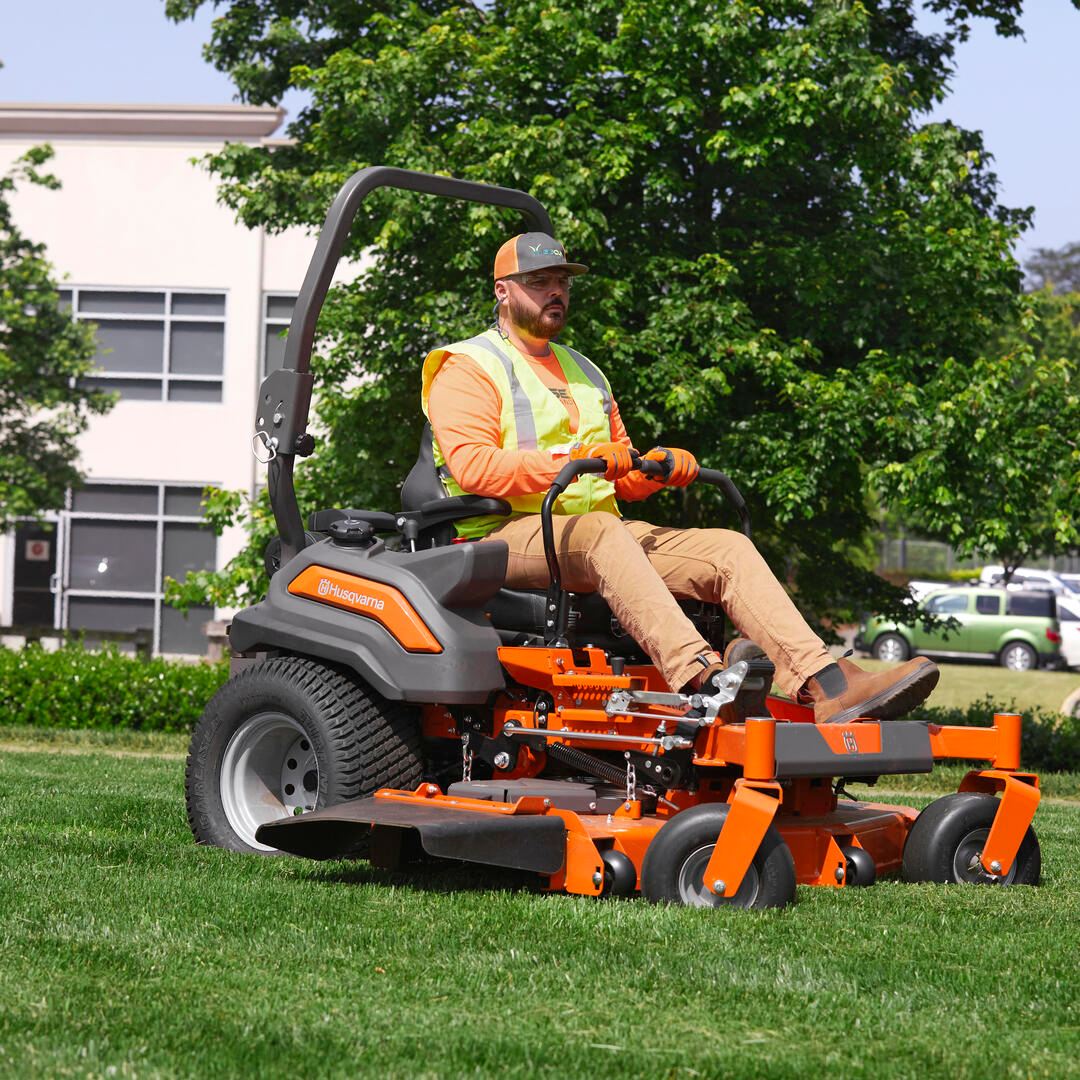
A riding mower that will not start can turn a routine mowing day into a frustrating afternoon, especially when West Tennessee grass is growing quickly. Around Bells and Crockett County, mowers often sit through stretches of rain, heat, humidity, dust, and seasonal storage, all of which can contribute to starting problems.
If you turn the key and get nothing, hear the engine crank without starting, or find that the mower starts and immediately dies, the symptoms can help narrow down the problem.
Quick answer: When a riding mower will not start, the first things worth checking are the battery and electrical connections, fuel condition, safety switches, spark plug, air filter, and fuel-delivery system. The correct starting point depends on whether the mower does nothing, clicks, cranks normally, or starts briefly and stalls. A systematic diagnosis is usually more effective than replacing parts at random.
What local mower owners should know
-
A mower that has been sitting since the previous season may have old fuel, a discharged battery, or corrosion at electrical connections.
-
Heat and humidity around Bells can be tough on batteries, electrical connections, and fuel that remains in equipment for extended periods.
-
Heavy grass and dusty mowing conditions can contribute to clogged air filters and buildup around mower components.
-
Different symptoms point toward different systems, so noting exactly what happens when you turn the key can save diagnostic time.
-
Repeatedly cranking a mower without identifying the problem can drain the battery and make diagnosis more difficult.
Why Riding Mower Starting Problems Matter in Bells
Riding mower starting problems matter in Bells because equipment downtime can quickly put mowing schedules behind during the active West Tennessee growing season. A mower that sits for another week may mean taller, heavier grass when you finally get back to the yard.
Bells is part of Crockett County, along with communities such as Alamo, Gadsden, Maury City, and Friendship. Whether a mower is used for a residential yard, acreage, or regular property maintenance, reliable starting becomes especially important when warm weather and rainfall keep grass growing.
At Hill’s Repair Shop, we approach a no-start complaint by looking at the symptom first. From there, we can work through the systems most likely to cause that particular problem instead of assuming one part is responsible.
What We Check First on a Riding Mower That Won’t Start
The first checks on a riding mower that will not start usually involve the battery, fuel, safety system, ignition, airflow, and fuel delivery. The order can change depending on what the mower does when the key is turned.
1. Battery and electrical connections
If the mower does nothing or only clicks, the battery is an obvious place to begin. A weak battery may have enough power for lights or gauges but not enough to turn the starter properly.
We also look beyond the battery itself. Loose terminals, corrosion, damaged cables, poor grounds, starter-related problems, or electrical connections can create symptoms that resemble a dead battery.
2. Fuel condition
Old or contaminated fuel is another common starting concern, especially after equipment has been stored.
Gasoline left in a mower for a long period can create fuel-system problems. Moisture or debris in the fuel can also affect how the engine starts and runs.
If your mower ran fine last season but refuses to start after sitting, fuel condition is one of the areas worth checking.
3. Safety switches
Modern riding mowers use safety interlock systems that can prevent the engine from starting under certain conditions.
Depending on the machine, the starting system may be affected by the brake or clutch position, PTO engagement, seat switch, or other safety components. A problem in that circuit can sometimes make an otherwise functional mower appear completely dead.
Safety switches should not be bypassed as a shortcut. They are part of the mower’s safety system and should be diagnosed correctly.
4. Spark plug and ignition
If the engine turns over normally but never fires, ignition becomes another area to investigate.
A worn, fouled, damaged, or improperly functioning spark plug can contribute to hard starting. Ignition components elsewhere in the system can also cause a loss of spark.
The goal is to determine whether the engine is actually receiving the spark it needs rather than simply installing a new plug and hoping it solves the problem.
5. Airflow
An engine needs the correct combination of fuel, air, and ignition to run.
A heavily restricted air filter can affect performance and starting. Around rural properties and dusty mowing areas in Crockett County, filters can collect considerable debris over a mowing season.
Checking the air filter is simple, but removing it permanently is not the answer. The engine needs proper filtration to keep dirt from entering internal components.
6. Fuel delivery
If usable fuel is in the tank but not reaching the engine correctly, the mower may crank without starting or may start briefly before dying.
Fuel lines, filters, carburetor components, pumps on applicable models, and related parts can all be involved. Diagnosing the actual restriction or malfunction is preferable to replacing several fuel-system parts without testing.
Warning Signs That Help Identify the Problem
The sounds and behavior of the mower provide useful clues about why it will not start. Before bringing a mower in for service, pay attention to what happens when you attempt to start it.
Common warning signs include:
-
Turning the key produces no sound at all.
-
You hear one click or repeated clicking.
-
The starter turns slowly.
-
The engine cranks normally but never starts.
-
The engine starts and then shuts off.
-
Starting becomes progressively harder over several mowing sessions.
-
You notice a strong fuel smell after repeated starting attempts.
-
The mower runs poorly once you finally get it started.
Those details can help separate an electrical starting problem from a fuel, ignition, airflow, or engine-running problem.
Common Local Causes of Riding Mower No-Start Problems
Around Bells, riding mower no-start problems often develop from storage, battery deterioration, fuel issues, dirty components, or ordinary wear. Local mowing patterns can expose equipment to long periods of inactivity followed by frequent use during the growing season.
Seasonal storage
A mower may sit for months during colder weather. During that time, the battery can lose charge and fuel can deteriorate.
Battery problems
Mower batteries do not last forever. Heat, storage, insufficient charging, corrosion, and normal age can all contribute to starting problems.
Fuel-system buildup
Fuel left in equipment can contribute to deposits or restrictions in small-engine fuel systems. This becomes particularly relevant when a mower starts having problems immediately after storage.
Dirt and grass debris
West Tennessee mowing can expose equipment to dust, pollen, dry grass, and clippings. Keeping filters and cooling areas clean can help the machine operate as intended.
Normal component wear
Spark plugs, belts, electrical connections, switches, filters, starters, and other components experience wear over time. Older equipment may also have more than one issue contributing to the same symptom.
What You Can Safely Check Before Calling a Repair Shop
Before scheduling riding mower repair, owners can safely check several basic items without disassembling the machine. These simple observations can sometimes uncover an obvious issue and provide useful information if professional diagnosis is needed.
Confirm that the mower has fuel and that the fuel has not been sitting for an extended period. Check that the battery terminals are secure and free from obvious heavy corrosion. Make sure the PTO is disengaged and that the mower is positioned according to the manufacturer’s normal starting procedure.
You can also visually inspect the air filter and look for damaged or disconnected wires.
DIY work should stop when diagnosis involves defeating safety switches, opening electrical systems you are unfamiliar with, disassembling the carburetor, or working around components that could move unexpectedly. Follow the owner’s manual and manufacturer safety procedures for your mower.
Preventing Starting Trouble Between Mowing Seasons
Preventing riding mower starting trouble starts with proper fuel management, battery care, routine maintenance, and clean storage. A little attention before and after the mowing season can reduce the likelihood of discovering a dead mower when the grass is already growing.
Follow the manufacturer’s recommendations for fuel storage and stabilization. Keep the battery maintained according to the mower manufacturer’s instructions. Replace or service filters and spark plugs at the recommended intervals.
Before storing your mower, remove accumulated grass and debris from appropriate exterior areas and inspect the machine for obvious damage.
For Bells-area mower owners, late fall is a practical time to address maintenance rather than waiting until the first fast-growing grass of spring.
Common Mistakes When a Riding Mower Won’t Start
The biggest mistake is replacing parts before identifying which system is actually causing the starting failure. A mower can refuse to start for several completely different reasons that produce surprisingly similar symptoms.
Mistake: Replacing the battery immediately.
Consequence: A new battery will not solve a loose connection, faulty charging system, starter issue, or safety-circuit problem.
Better approach: Test the starting and electrical system first.
Mistake: Continuing to crank the engine repeatedly.
Consequence: This can discharge the battery and complicate the original diagnosis.
Better approach: Stop and investigate when normal starting attempts are unsuccessful.
Mistake: Assuming fresh fuel fixes every fuel problem.
Consequence: A restriction or buildup elsewhere in the fuel system may remain.
Better approach: Diagnose fuel delivery if fresh fuel does not restore normal operation.
Mistake: Bypassing a safety switch.
Consequence: This can defeat a system designed to reduce operating hazards.
Better approach: Identify and repair the underlying fault.
A Common Bells-Area Riding Mower Scenario
A common Bells-area scenario is a riding mower that worked at the end of the previous season but will not start after months in storage. The owner may turn the key and hear slow cranking, clicking, or normal cranking without the engine firing.
That situation does not automatically point to one failed component. Battery condition, electrical connections, stored fuel, ignition, and fuel delivery can all need evaluation.
Starting with the symptom and testing logically helps avoid unnecessary parts replacement.
What to Expect From Professional Riding Mower Diagnosis
Professional diagnosis should identify the system causing the no-start condition before the repair decision is made. The objective is not simply to make the engine run once, but to understand why it failed to start normally.
Depending on the symptoms, we may need to evaluate electrical operation, battery condition, starting circuits, ignition, fuel delivery, airflow, or related engine components.
Once the cause is identified, the appropriate repair depends on the mower, its condition, the failed component, and any additional issues found during diagnosis.
DIY Troubleshooting vs. Professional Repair
Basic visual checks are reasonable for mower owners, while electrical, fuel-system, ignition, and mechanical diagnosis is often better handled with the proper tools and experience.
DIY checks make sense when you are confirming fuel level, checking starting controls, inspecting battery connections, or looking at an accessible filter.
Professional service becomes more appropriate when the mower continues clicking, will not crank, cranks without firing, repeatedly blows a fuse, stalls immediately after starting, or requires component testing and disassembly.
The dividing line is not simply whether a repair looks easy. It is whether you can identify and correct the problem safely without guessing.
Riding Mower Repair Service Areas
Our Bells shop serves local mower owners who need practical help getting equipment back in service. Bells is located in Crockett County, where nearby municipalities include Alamo, Gadsden, Maury City, and Friendship.
For service availability outside Bells, contact us to confirm whether your location and equipment needs are a fit.
The Cost of Ignoring a Hard-Starting Mower
Ignoring a mower that is becoming difficult to start can allow a minor problem to turn into additional downtime or repair needs. Repeated starting attempts can drain a weak battery, while fuel or maintenance problems may continue to worsen rather than correct themselves.
If your mower has changed from starting normally to requiring several attempts, that change is worth investigating before the machine refuses to start at all.
FAQ
Why won’t my riding mower start even though it has gas?
A riding mower can have fuel in the tank and still fail to start if the fuel is old, contaminated, restricted, or not reaching the engine correctly. Ignition, battery, airflow, safety-switch, and electrical problems can produce similar symptoms, so having gas in the tank does not rule out other causes.
Why does my riding mower just click when I turn the key?
Clicking commonly points toward a battery, connection, starter-circuit, or related electrical problem. A weak battery is one possibility, but loose or corroded terminals and other starting-system faults can create similar behavior. Testing the system is more reliable than assuming the battery needs replacement.
Can old gas keep my riding mower from starting in Bells?
Yes, fuel that has been sitting in a riding mower for an extended period can contribute to starting and running problems. This is especially relevant for Bells mower owners after seasonal storage. If the machine worked before storage and will not start afterward, fuel condition is one of several areas worth checking.
Should I replace the spark plug if my mower won’t start?
A spark plug should be inspected as part of diagnosis, but replacing it is not guaranteed to correct a no-start condition. Fuel delivery, electrical problems, safety systems, battery condition, airflow, and other ignition components can also prevent starting. The mower’s specific symptoms should guide the next step.
Why does my riding mower start and then immediately die?
A mower that starts and quickly dies may have a fuel-delivery, airflow, ignition, or related operating problem. The fact that the engine fires briefly provides useful diagnostic information. Rather than repeatedly restarting it, note how long it runs and whether choke position or other conditions change the symptom.
How can Crockett County mower owners prevent spring starting problems?
Crockett County mower owners can reduce spring starting problems by following manufacturer recommendations for off-season fuel, battery care, filters, spark plugs, cleaning, and storage. Addressing maintenance before the mower sits for months can make the first start of the next growing season much less troublesome.
Is it safe to bypass a mower safety switch to see if it starts?
Safety switches should not be bypassed as a routine troubleshooting shortcut. These systems are designed to control mower operation under specific conditions. If a switch or safety circuit appears to be preventing your mower from starting, the safer approach is to have the system properly diagnosed and repaired.
When should I bring my riding mower to a repair shop in Bells?
Consider professional service when your mower will not crank, repeatedly clicks, cranks without starting, starts and stalls, or continues having starting problems after basic checks. Bringing the mower in before peak mowing demands can also help you address the problem before tall grass makes equipment downtime more inconvenient.
Get Your Riding Mower Ready for the Next Cut in Bells
A riding mower should start reliably when it is time to maintain your property. When it does not, working through the battery, electrical system, fuel, ignition, airflow, and safety systems can uncover the actual cause without relying on guesswork.
At our Bells shop, we focus on identifying what is preventing the mower from starting so you can make an informed repair decision.
Get Back to Mowing With Confidence
Bring your no-start problem to a local shop that can help determine what your riding mower needs.