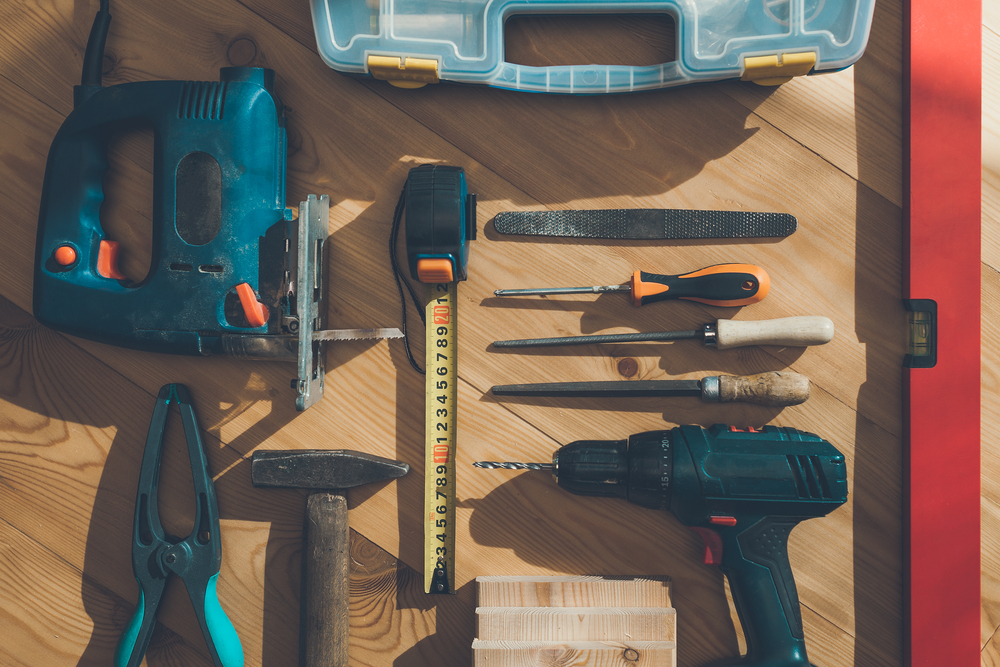
Power tools are an essential part of many home improvement, construction, and woodworking projects. From drills to saws, these tools make work easier, faster, and more efficient. However, to ensure that your power tools remain in top condition and continue to work effectively, it is important to clean and store them properly. Proper maintenance not only extends the life of your tools but also ensures they remain safe to use. In this guide, we’ll explore how to clean and store your power tools in a way that preserves their functionality and prevents damage over time.
Why Proper Cleaning and Storage Matter
Taking care of your power tools goes beyond just keeping them looking good. A well-maintained tool is more efficient and safe to use, which helps you get the most out of your investment. Additionally, improper storage can lead to rust, corrosion, and the deterioration of critical components. When power tools aren’t stored properly, they can be damaged by moisture, dirt, and debris. A poorly maintained tool could also present a safety hazard, with malfunctioning parts that could break or cause accidents. By cleaning and storing tools correctly, you prevent these issues and ensure your tools are ready when you need them.
A clean tool performs better and lasts longer, saving you money on repairs or replacements. If you don’t have the time to do this yourself, consider visiting a power equipment repair shop in Bells, TN, for professional help. They can ensure your tools remain in peak condition and advise on the best storage practices. However, regular cleaning and maintenance are simple enough to do on your own and don’t require expert assistance, allowing you to keep your tools in excellent working order.
Step-by-Step Cleaning Guide
Cleaning your power tools should be done regularly to avoid the build-up of dirt, grime, and debris that can affect performance. Here’s a step-by-step guide to cleaning common power tools:
Unplug or Remove the Battery: Before you start cleaning, always make sure the tool is not connected to power. If it’s a corded tool, unplug it from the socket. If it’s a cordless tool, remove the battery. This prevents accidents and ensures safety during the cleaning process.
Remove Dust and Debris: Using a soft cloth or brush, remove as much dust and debris from the tool as possible. For tools with vents or crevices, such as drills or saws, use a small brush or compressed air to blow out the dust. Avoid using excessive water, as this can damage electrical parts.
Wipe Down Surfaces: For a deeper clean, wipe down the exterior with a damp cloth. For stubborn stains or build-up, use a mild detergent mixed with water. Be sure not to soak the tool. Afterward, wipe it dry with a clean cloth.
Clean the Moving Parts: Lubricating moving parts like switches, gears, and blades is crucial to maintaining their smooth operation. Use an appropriate lubricant recommended for your specific tool. Be careful not to over-apply, as too much lubricant can attract dirt and dust.
Check for Wear and Tear: While cleaning, take a moment to inspect your tools for any signs of wear or damage. Look for frayed cords, worn-out blades, or broken parts that may need replacement. If you notice anything that could affect the tool’s functionality, visit a power equipment repair shop in Bells, TN, for repairs.
Clean the Battery Compartment: For cordless tools, clean the battery contacts regularly. Use a clean, dry cloth to wipe down the contacts, ensuring that dirt and moisture don’t interfere with the power flow.
Sharpen Blades and Bits: For tools like saws, drills, and other cutting equipment, sharp blades and bits are essential for efficient operation. Use a sharpening tool to restore the edge on saw blades and drill bits. If you’re unsure how to do this, take your tools to a professional for sharpening.
Best Practices for Storing Power Tools
Now that your tools are clean, it’s important to store them correctly to ensure they stay in good condition. Proper storage prevents damage and prolongs the life of your power tools. Here are some best practices to follow:
Keep Tools in a Dry, Cool Place: Moisture is one of the biggest enemies of power tools. Rust and corrosion can quickly form if tools are stored in humid or damp environments. It’s important to keep your tools in a dry, cool space, away from direct sunlight and temperature extremes. A well-ventilated garage or tool shed is ideal. If you must store your tools outdoors, make sure they are covered or kept in a waterproof container.
Use Toolboxes and Cabinets: A dedicated toolbox or tool cabinet is a great way to keep your power tools organized and protected. These storage solutions can help you keep tools separated, preventing them from coming into contact with one another and possibly causing damage. Look for storage units that offer compartments to keep small accessories, like drill bits or saw blades, organized.
Hang Tools When Possible: Hanging your power tools on pegboards or wall-mounted racks is a space-saving solution that also keeps your tools within easy reach. Hanging tools allows for better air circulation around them, preventing moisture build-up. Just be sure to hang tools securely to avoid accidents and to prevent damage to the tool itself.
Store Batteries Separately: If you’re storing cordless power tools, it’s best to remove the batteries and store them separately. Batteries should be stored in a cool, dry place away from direct sunlight. Do not leave them inside the tool, as this can cause the battery to lose its charge over time.
Cover Tools When Storing: Even if you store your tools in a dry, clean space, covering them can add an extra layer of protection. Consider using tool covers, or even simple dust sheets, to shield your tools from dust and debris that might settle over time. This is especially important for tools with delicate parts like drills or sanders.
Maintenance Tips for Longevity
While cleaning and storing your power tools properly is key to their longevity, regular maintenance is also crucial. Here are a few maintenance tips to keep your power tools running smoothly:
Inspect Tools Regularly: Regular inspections will help you catch small issues before they become major problems. Check for loose screws, damaged cords, or worn-out parts. Taking care of minor issues promptly can prevent more costly repairs down the line.
Calibrate Your Tools: For tools that require precision, like saws and drills, calibration is key. Over time, tools can become misaligned, affecting their accuracy and performance. If you’re unsure how to calibrate your tools, consult the user manual or take them to a power equipment repair shop in Bells, TN, for professional calibration.
Replace Worn Parts: Tools like drills, saws, and grinders have parts that wear out over time. Regularly replacing worn parts, like brushes, blades, or belts, ensures that your tools continue to function properly. Always use the recommended replacement parts to maintain optimal performance.
Sharpen Cutting Tools Regularly: Blades, bits, and other cutting tools lose their sharpness with use. Regular sharpening helps keep them in top shape and prevents strain on the tool’s motor. If you’re unsure about sharpening your tools, professionals can assist with sharpening services.
Test Tools Before Use: Before starting a new project, always test your power tools to ensure they’re functioning correctly. Make sure the motor runs smoothly, the tool is stable, and any attachments are securely in place. Testing before use prevents accidents and helps identify any issues early.
Seeking Professional Help
Sometimes, despite your best efforts, tools may break down or need more extensive repairs. If you notice any issues that you can’t address on your own, it’s always a good idea to seek help from professionals. A power equipment repair shop in Bells, TN, can offer expert repair services, from replacing faulty parts to complete overhauls of worn-out tools. Regular professional maintenance can also extend the life of your tools, keeping them in working order for years to come.
Conclusion
Cleaning and storing your power tools properly is essential for their longevity and performance. By taking the time to clean your tools after each use, store them in the right conditions, and perform regular maintenance, you’ll ensure that your power tools remain reliable and safe to use. When in doubt, professional help is available to address any issues you can’t fix on your own, ensuring your tools stay in excellent working condition for every project.
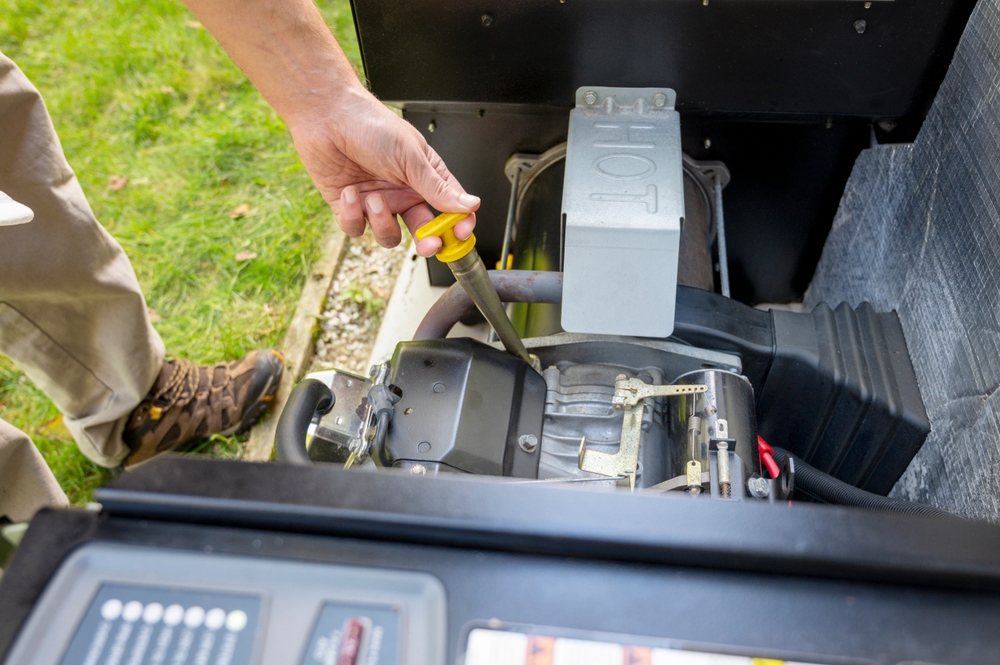
When it comes to maintaining the efficiency and longevity of your generator, one of the most crucial tasks you can perform is changing its oil regularly. Oil acts as the lifeblood of your generator, ensuring all moving parts are lubricated and functioning smoothly. Over time, oil becomes contaminated with dirt, debris, and other impurities that can compromise the generator’s performance. For those who rely on generators for backup power or for heavy-duty tasks, keeping the oil in top condition can make the difference between a machine that runs efficiently for years and one that breaks down prematurely. In this article, we will explore the importance of regularly changing your generator’s oil and how it helps maintain optimal performance. If you are unsure about the oil change process or need professional assistance, a reliable power equipment repair shop in Bells, TN can offer expert guidance and service.
Extending the Life of Your Generator
Regular oil changes are essential to extending the lifespan of your generator. Oil serves multiple functions, with the most important being its ability to lubricate the engine’s moving parts. Lubrication reduces friction, preventing the engine components from wearing down due to constant movement and heat buildup. Without adequate lubrication, parts like the pistons, crankshaft, and camshaft can experience premature wear, leading to engine damage and, eventually, a complete breakdown.
As oil ages and becomes contaminated, it loses its lubricating properties. Dirty oil can cause the engine to overheat, which can lead to internal damage. By changing the oil at recommended intervals, you ensure that the engine is always well-lubricated, operating smoothly, and free from harmful debris. In doing so, you not only improve the generator’s performance but also extend its overall lifespan, helping you avoid costly repairs or the need for a replacement. A power equipment repair shop in Bells, TN can help ensure that the oil change process is done correctly to optimize your generator’s life expectancy.
Maintaining Generator Efficiency
A well-maintained generator runs more efficiently, providing power when needed without consuming excess fuel or producing excessive noise. One of the key factors in maintaining efficiency is keeping the oil fresh. Over time, as oil becomes dirty and thickens, it can make the engine work harder. This can result in a reduction in the generator’s fuel efficiency, which means more fuel consumption for the same level of output.
Fresh oil helps reduce the friction between engine components, allowing the engine to operate more smoothly. With less friction, the engine can run more efficiently, using less fuel and producing less wear on its parts. Additionally, a generator with clean oil is less likely to overheat, as the oil also helps dissipate heat generated by the engine during operation. If your generator is constantly overheating or consuming too much fuel, it might be time to check the oil. A power equipment repair shop in Bells, TN can assist in diagnosing and resolving issues related to oil quality and its impact on efficiency.
Preventing Engine Damage
Failing to change the oil in your generator regularly can lead to serious engine damage. As oil ages, it becomes thick and sludgy, which can cause it to lose its ability to flow properly through the engine. This lack of proper oil circulation can lead to increased friction and heat buildup, which are the leading causes of engine wear and tear. Over time, the parts in the engine will begin to degrade, and you might notice issues like poor starting, strange noises, or a decrease in power output.
In extreme cases, neglecting to change the oil could lead to complete engine failure. Contaminants in old oil, such as dirt and metal shavings, can cause blockages in oil passages and restrict the oil from reaching critical parts of the engine. This can result in catastrophic damage that could have been easily avoided by simply changing the oil at regular intervals. A power equipment repair shop in Bells, TN can provide the maintenance services needed to ensure that the engine remains in good working order, helping you avoid the cost and hassle of major engine repairs.
Saving Money on Repairs
While changing the oil might seem like an unnecessary expense, it is actually a cost-effective way to avoid expensive repairs down the road. Regular oil changes are one of the easiest and most affordable forms of preventative maintenance. By keeping the oil clean and fresh, you reduce the likelihood of issues that could require costly repairs or parts replacements.
Generators can be expensive to repair, especially if the damage is severe. Engine components like pistons and valves can be costly to replace, and the labor involved in engine repairs can add up quickly. By regularly changing your oil, you’re investing a small amount of money in maintenance that can prevent much larger expenses in the future. Furthermore, maintaining your generator’s oil can help you avoid the potential need for an entirely new generator, which is an investment that can cost thousands of dollars.
Regular oil changes also help maintain the warranty on your generator. Many manufacturers require that you follow a specific maintenance schedule to keep the warranty valid. Failing to do so could result in the voiding of the warranty, leaving you on the hook for any repair costs. Therefore, by taking the time to change the oil as required, you are ensuring that your generator remains covered by its warranty, which could save you a significant amount of money in the event of an issue.
Ensuring Safety and Reliability
The most important aspect of a generator is its ability to provide reliable power when you need it most. Whether you rely on your generator for backup power during a storm or for running equipment on a job site, you need to be confident that it will perform without fail. Neglecting to change the oil can lead to unreliable performance, with the risk of breakdowns or poor output when you need the generator the most.
Generators that are not properly maintained are also more prone to safety issues. Overheated engines, for example, pose a fire risk, particularly if the oil is thick and unable to properly dissipate the heat. In addition, generators with poor lubrication are more likely to experience sudden and catastrophic failures, which could cause harm to the machine or surrounding equipment. Changing the oil regularly ensures that the generator is operating safely, reducing the risk of malfunction and keeping both the machine and its operator safe.
If you are unsure about how to change the oil in your generator or need assistance with maintenance, visiting a power equipment repair shop in Bells, TN can help. These professionals can offer advice and service to keep your generator running at peak performance, ensuring both safety and reliability.
Conclusion
Regularly changing the oil in your generator is a vital step in ensuring its long-term performance, efficiency, and safety. By keeping the oil fresh, you can extend the life of the engine, maintain its efficiency, prevent costly repairs, and ensure that the generator operates safely and reliably. While oil changes are a simple and inexpensive task, they offer significant benefits in the form of enhanced engine health and overall performance. If you’re unsure of when or how to change the oil, or if you’re experiencing problems with your generator, a power equipment repair shop in Bells, TN can provide the expertise you need to maintain your equipment. Proper oil maintenance will help you get the most out of your generator, ensuring that it remains a valuable and reliable tool for years to come.
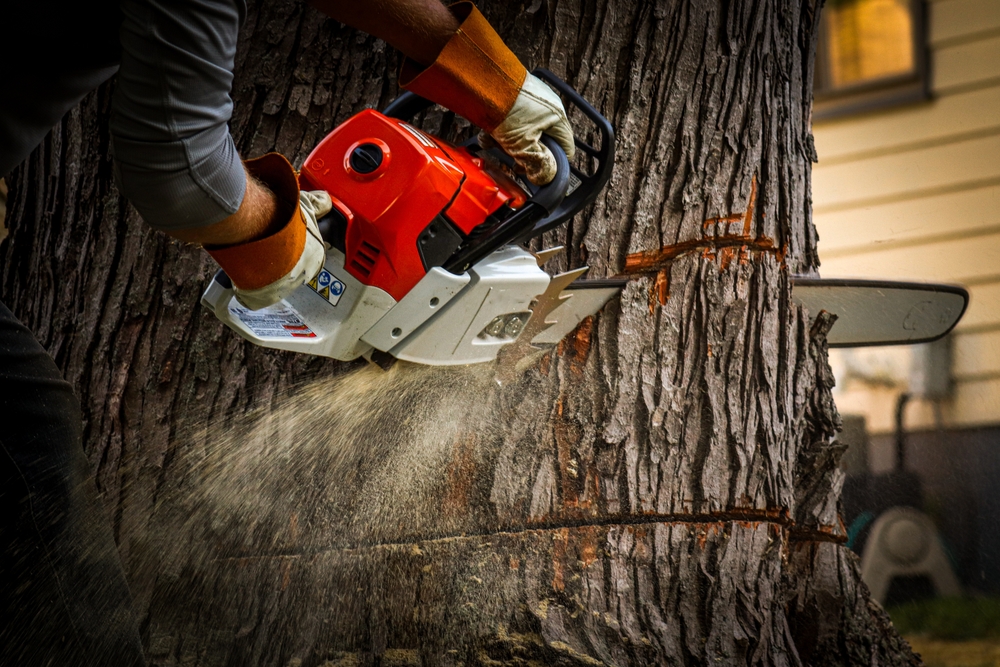
A chainsaw is an essential tool for many homeowners and professionals alike, whether you’re tackling a weekend yard cleanup, cutting firewood, or working on larger construction projects. Like any piece of machinery, however, a chainsaw requires proper maintenance to ensure its longevity and optimal performance. Whether you’re dealing with a gas-powered or electric chainsaw, taking care of this powerful tool can save you time and money in the long run. In this blog, we’ll explore various tips for maintaining and extending the lifespan of your chainsaw, with a focus on general maintenance practices and useful advice for keeping your chainsaw running smoothly for years to come.
Regularly Inspect and Clean the Chainsaw
The first step in chainsaw maintenance is regular inspection and cleaning. Keeping the tool clean prevents dirt and debris from interfering with its performance. After every use, it’s important to wipe down the body of the chainsaw, particularly the chain and bar, to remove any wood chips, sawdust, or other debris that could build up. This can improve the saw’s cutting efficiency and reduce unnecessary wear and tear. Additionally, a clean chainsaw runs cooler and more efficiently, preventing overheating and prolonging the life of critical components.
Before and after each use, inspect the chain for any damage. A damaged chain can cause issues such as poor cutting performance, increased vibrations, or even complete malfunction. Look for any cracks, bent links, or worn-out teeth. If you find any damage, it’s important to replace or sharpen the chain as needed to keep your chainsaw performing at its best. Furthermore, the chainsaw’s air filter should be cleaned periodically. A clogged air filter can reduce engine efficiency and potentially lead to overheating.
Proper Lubrication and Chain Tensioning
Lubrication is another essential aspect of chainsaw maintenance. A chainsaw requires oil to keep the moving parts, particularly the chain, properly lubricated. Without proper lubrication, the friction between the chain and bar increases, causing excessive wear, overheating, and premature damage. Most chainsaws have an automatic lubrication system that delivers oil to the chain as it operates, but this system must be maintained to function correctly. Ensure that the oil reservoir is filled with the proper chainsaw bar and chain oil before each use, and check the oil levels regularly to avoid running out during operation.
In addition to ensuring proper lubrication, it’s crucial to regularly check the chain tension. A chain that is too loose will cause the saw to perform poorly and may even fly off during operation, creating a safety hazard. On the other hand, a chain that is too tight can cause excessive strain on the engine, leading to faster wear on both the chain and the motor. Adjust the tension of your chain according to the manufacturer’s instructions to keep it in optimal condition. Many chainsaws have a tensioning screw that allows you to easily tighten or loosen the chain as needed.
Sharpen the Chain Regularly
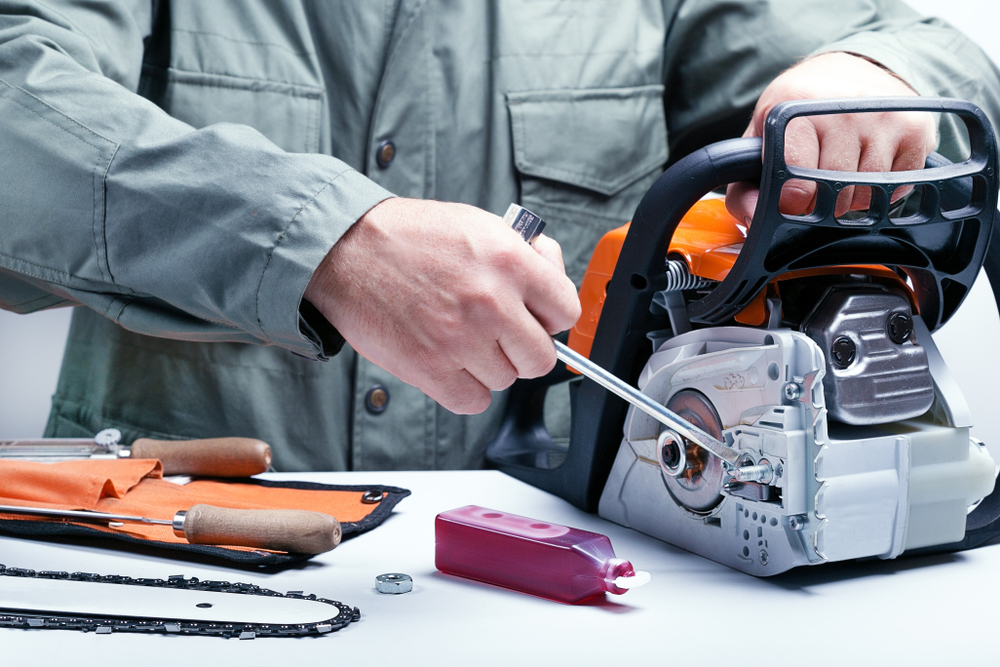
A dull chain can drastically reduce your chainsaw’s cutting performance and efficiency. It is essential to sharpen the chain regularly to ensure that your saw is working as efficiently as possible. How often you need to sharpen the chain depends on the type of work you are doing. If you’re cutting through hard, dense wood or working on larger jobs, you’ll need to sharpen the chain more frequently. A general rule of thumb is to sharpen your chain every few hours of use or when you notice a decrease in cutting speed. You can either do this manually with a chainsaw file or with an electric sharpening tool. However, it’s important to be careful during this process, as an incorrectly sharpened chain can cause additional problems, including poor cutting performance and increased wear on the saw.
If you’re unsure about sharpening the chain yourself, it’s a good idea to visit a power equipment repair shop in Bells, TN, or your local chainsaw expert to have it professionally sharpened. Regularly sharpening your chain not only enhances cutting efficiency but also helps prevent unnecessary strain on the motor, contributing to the overall longevity of your chainsaw.
Check and Replace the Spark Plug
Just like any other small engine, the spark plug in your chainsaw plays a crucial role in starting the engine and keeping it running smoothly. Over time, spark plugs can become dirty or worn out, leading to starting issues, misfires, or reduced engine performance. To ensure that your chainsaw is always ready to go when you need it, it’s important to check and replace the spark plug regularly. Typically, spark plugs should be replaced every 100 hours of use, but this can vary depending on the model and usage. If you notice that your chainsaw is struggling to start or seems to be running roughly, it may be time to replace the spark plug.
When inspecting the spark plug, check for any signs of wear, such as corrosion or carbon buildup. If the plug is dirty, you can clean it with a wire brush to remove the debris, but it’s often better to replace the spark plug to ensure maximum efficiency. When replacing the spark plug, always use the one recommended by the manufacturer for your specific chainsaw model to ensure proper functionality.
Store Your Chainsaw Properly
Proper storage plays a critical role in extending the lifespan of your chainsaw. If you’re storing the tool for an extended period, such as during the winter months or between seasons, there are several precautions you should take to prevent damage. First, make sure that the chainsaw is thoroughly cleaned before storing it. This includes cleaning the chain, bar, and air filter, as well as checking the oil levels and emptying the fuel tank if you’re storing a gas-powered chainsaw.
For gas-powered chainsaws, it’s also a good idea to run the engine until it uses up all the fuel in the system. This will prevent stale fuel from gumming up the carburetor and causing starting issues when you bring the chainsaw back into use. Once the chainsaw is cleaned and the fuel is drained, store it in a dry, cool area away from direct sunlight or damp environments. A dedicated storage space, such as a shed or garage, is ideal, as long as the area remains dry and protected from extreme temperatures.
Additionally, if you’re storing a chainsaw for a long period, it’s important to remove the chain and bar from the tool. This helps prevent rust from forming on the chain and ensures that the saw is ready for use when you need it. Before reassembling the chainsaw after storage, inspect the chain and bar for any signs of damage or rust and replace them if necessary.
Conclusion
Maintaining and extending the lifespan of your chainsaw is all about routine care, attention to detail, and proper handling. Regular inspection, cleaning, lubrication, and sharpening will ensure that your chainsaw remains in peak condition, saving you both time and money in the long run. Taking care of the spark plug and storing the chainsaw properly when it’s not in use can also prevent unnecessary wear and help avoid costly repairs. If you find yourself unsure about the maintenance process, it’s always a good idea to consult with a professional at a power equipment repair shop in Bells, TN, or your local chainsaw expert. By following these tips, your chainsaw will continue to serve you well for years to come, allowing you to tackle your outdoor tasks with confidence and efficiency.
Outdoor power equipment plays a crucial role in maintaining beautiful, functional outdoor spaces. Whether it’s mowing the lawn, trimming hedges, or clearing leaves, choosing the right equipment makes a significant difference. Historically, gas outdoor power equipment has been the standard, but with advancements in electric power equipment, homeowners and professionals are increasingly faced with a choice. In this blog, we’ll explore the benefits of using electric versus gas-powered outdoor equipment, including efficiency, cost, maintenance, and environmental impact, to help you make an informed decision for your outdoor needs.
Why Compare Electric and Gas-Powered Outdoor Power Equipment?
Gas and electric power equipment each have unique advantages and disadvantages. Understanding these differences is essential for anyone looking to maximize efficiency and reduce long-term costs. This guide will examine the main factors to consider, including performance, operational costs, maintenance needs, noise levels, and environmental impact.
Performance: Power and Efficiency
One of the most significant factors influencing the choice between gas and electric outdoor power equipment is performance. Each type offers different levels of power output and handling capabilities, and the decision often comes down to the specific needs of the task at hand.
Power Output and Torque
Gas Outdoor Power Equipment: Gas-powered equipment typically has a higher power output, making it suitable for heavy-duty tasks. For example, gas lawn mowers and chainsaws can often handle larger areas and tougher materials more effectively. The robust engines in gas equipment provide high torque, making them ideal for prolonged or intensive use.
Electric Power Equipment: Recent advancements in battery technology have significantly increased the power capabilities of electric equipment. While they may not match gas engines in raw power, electric tools now come close and offer enough torque for most residential tasks. Corded electric tools maintain consistent power but require a power source, while battery-powered models are more convenient but need recharging.
Efficiency in Use
Gas Equipment: While powerful, gas equipment can be heavy, affecting ease of use and maneuverability. The fuel tank adds weight, which can make gas-powered machines harder to handle, especially for extended use.
Electric Equipment: Electric tools are generally lighter, providing ease of use that is particularly beneficial for tasks requiring precision. Battery-powered electric tools are convenient for quick jobs but may need recharging for more extensive tasks, so having extra batteries on hand is advisable.
Cost Comparison: Initial Investment and Long-Term Expenses
The cost factor between electric and gas outdoor power equipment goes beyond the initial purchase price; operational costs over time can significantly impact the total expenditure.
Initial Costs
Gas Equipment: Generally, gas-powered equipment has a higher upfront cost than electric options, especially when it comes to professional-grade tools. The higher price can be attributed to the more complex engine systems required for gas tools.
Electric Equipment: Electric tools, particularly battery-powered models, usually come at a lower initial cost. While high-capacity batteries can raise the price of certain models, entry-level electric tools tend to be more affordable.
Operational and Maintenance Costs
Gas Equipment: Gas-powered tools require regular fuel, oil, and maintenance, such as air filter changes, spark plug replacements, and carburetor cleaning. This regular upkeep, along with fuel costs, adds to the long-term expenses.
Electric Equipment: Electric tools are often more cost-effective over time due to fewer maintenance requirements and no need for fuel. Battery replacements may be necessary after a few years, but this is generally less costly than ongoing gas and maintenance expenses.
Maintenance: Which Option is Easier to Keep in Shape?
The ease of maintenance can be a deciding factor for those looking to reduce the hassle associated with their equipment.
Gas Equipment Maintenance
Gas-powered tools require more frequent maintenance. Regular oil changes, air filter cleanings, and spark plug replacements are essential to keep the engine running smoothly. Gas engines are also more prone to mechanical issues, especially if stored improperly or if fuel becomes stale.
Gas equipment should be stored in a cool, dry place, away from extreme temperatures that can affect the engine components and fuel.
Electric Equipment Maintenance
Electric tools have fewer moving parts, meaning less routine maintenance. There’s no oil to change or carburetor to clean, which reduces upkeep. Battery care is the primary concern for electric tools; batteries should be charged according to manufacturer recommendations and stored correctly to maximize lifespan.
With fewer mechanical issues and reduced upkeep, electric tools are often considered easier to maintain, which can save time and money in the long run.
Environmental Impact: Reducing Your Carbon Footprint
The environmental impact is one of the biggest motivations for homeowners and landscapers to switch to electric power equipment. As environmental awareness grows, many people prioritize reducing emissions and pollution in their everyday lives.
Gas Equipment Emissions
Gas-powered outdoor equipment emits pollutants, including carbon monoxide, hydrocarbons, and nitrogen oxides, contributing to air pollution and greenhouse gas emissions. For example, a single gas-powered lawn mower can produce as much pollution as driving a car for hundreds of miles. Using gas tools in residential areas also contributes to localized air pollution, impacting both the user and nearby residents.
Electric Equipment: A Cleaner Choice
Electric power equipment produces zero direct emissions, which significantly reduces the user’s carbon footprint. Additionally, advancements in battery recycling and renewable energy sources are further enhancing the environmental benefits of electric tools. By choosing electric tools, users can help minimize air pollution and contribute to a more sustainable environment.
Noise Levels: Quiet Operation for a Peaceful Environment
Noise levels are a practical consideration, especially in residential areas where excessive noise can be disruptive to neighbors.
Gas Equipment Noise
Gas-powered equipment is often noisy, producing decibel levels that can be harmful without ear protection. Lawn mowers, leaf blowers, and chainsaws with gas engines are especially loud and can lead to complaints from neighbors or violate local noise ordinances.
Electric Equipment Noise
Electric tools operate much more quietly than gas-powered alternatives. This makes them ideal for residential areas or early morning use when reducing noise is necessary. The quieter operation of electric equipment enhances comfort for both the user and the surrounding community.
Battery Life and Convenience
Battery life is a key consideration for electric tools, as it affects how long a tool can operate on a single charge and its overall convenience.
Gas Equipment: Consistent Power
Gas equipment provides consistent power as long as fuel is available, making it reliable for extended or demanding tasks. However, refueling requires storing gasoline and handling potentially hazardous materials.
Electric Equipment: Battery Improvements and Charging
Battery life on electric tools has improved with lithium-ion technology, allowing many electric models to run for hours before recharging. Additionally, extra batteries can be purchased and swapped out for longer tasks. Charging stations and rapid chargers make it easier to keep equipment ready for use, though extended usage may require planning for battery swaps.
Making the Right Choice: Gas or Electric Power Equipment?
Ultimately, choosing between gas and electric outdoor power equipment depends on your unique needs, values, and budget. Here’s a quick summary to help you decide:
Choose Gas Equipment if: You need maximum power for heavy-duty tasks, require long runtime without recharging, and don’t mind the maintenance requirements.
Choose Electric Equipment if: You prefer environmentally friendly, quieter tools with less maintenance and are willing to plan for battery recharges.
Future Trends in Outdoor Power Equipment
The market for electric outdoor power equipment is growing rapidly, and with continued technological advancements, electric tools are likely to become more powerful and cost-effective. Innovations in battery technology, such as extended-life batteries and solar-powered charging stations, are making electric equipment increasingly viable for professional and commercial use as well.
On the other hand, gas equipment manufacturers are also responding to environmental concerns by developing more fuel-efficient engines and emissions-reducing technologies. While these improvements are beneficial, they may not close the gap entirely, and electric power equipment will continue to grow in popularity as the green movement gains momentum.
A Green Choice for the Future
The shift toward electric outdoor power equipment offers a compelling opportunity to reduce environmental impact, lower noise levels, and cut down on long-term costs. Whether you’re a homeowner with a small yard or a professional landscaper, electric power equipment provides an efficient, quiet, and eco-friendly alternative to traditional gas-powered tools. As technology advances, the performance gap between gas and electric options is closing, making electric equipment an increasingly smart choice for sustainable outdoor maintenance.
For both professionals and homeowners, the quality of outdoor power equipment can make a remarkable difference in achieving efficient, beautiful landscaping results. While it might be tempting to go for cheaper options, high-quality equipment often pays for itself over time by offering better performance, durability, and enhanced safety. In this post, we’ll explore the numerous benefits of investing in high-quality outdoor power equipment and how it can elevate your landscaping efforts.
Why Quality Matters in Outdoor Power Equipment
When it comes to landscaping, the right tools are essential for efficiency and effectiveness. High-quality outdoor power equipment is engineered with superior materials, advanced technology, and rigorous testing to handle tough environments. Let’s explore why quality matters:
1. Increased Efficiency
High-quality equipment is designed to optimize your time and energy, allowing you to accomplish tasks faster and more efficiently. For example, a powerful mower can cut grass evenly in fewer passes, while a high-end trimmer allows for precise edging and shaping. This efficiency is especially crucial for professional landscapers, where time is money.
2. Enhanced Durability
Cheap equipment may seem economical initially, but lower-quality materials often lead to frequent breakdowns and repairs. High-quality outdoor power equipment is built to withstand the wear and tear of extensive use and adverse weather conditions. This durability means you won’t have to worry about replacing equipment frequently, saving you money in the long run.
3. Better Safety Features
Using reliable outdoor power tools reduces the likelihood of malfunctions, which can lead to accidents. High-quality tools often include advanced safety features like automatic shut-offs, anti-vibration systems, and ergonomic designs that reduce strain on the user. This emphasis on safety helps prevent injuries, making landscaping tasks safer for both homeowners and professionals.
Types of High-Quality Outdoor Power Equipment for Landscaping
Understanding the types of outdoor power equipment available can help you choose the right tools for your landscaping needs. Below are some essential types of equipment and how investing in quality versions can benefit you:
Lawn Mowers
Whether you’re maintaining a small lawn or a large commercial property, a quality lawn mower is essential. High-end mowers offer powerful engines, durable cutting blades, and enhanced maneuverability, allowing you to maintain an even, professional-looking lawn with ease. Many premium models also come with mulching or bagging features, making cleanup effortless.
String Trimmers
For precision cutting along garden edges, sidewalks, and driveways, a high-quality string trimmer is a must. High-end trimmers are designed with features such as variable speed settings and ergonomic handles, giving you greater control and flexibility. With better power and longevity, these tools allow for more accurate trimming and edging.
Leaf Blowers
Efficient yard cleanup requires a robust leaf blower, especially during the fall season. Investing in a premium leaf blower means you get better battery life, more powerful airflow, and reduced noise levels. Many high-end models are lightweight and easy to carry, reducing fatigue and enabling you to clear larger areas faster.
Chainsaws
For heavy-duty tasks like cutting branches or trees, a reliable chainsaw is essential. High-quality chainsaws offer advanced safety features, precision cutting, and powerful engines that can handle even the toughest jobs. They’re also easier to maintain, which extends their lifespan and ensures they’re always ready when you need them.
Hedge Trimmers
Maintaining hedges and shrubs requires precision, and high-quality hedge trimmers are designed to give you a cleaner, more uniform cut. Many premium models come with dual-action blades that reduce vibration, making them easier to handle and providing a more professional-looking finish.
The Long-Term Financial Benefits of Investing in Quality Equipment
Although high-quality outdoor power equipment typically comes with a higher initial cost, it offers several long-term financial advantages. Here are some ways in which investing in quality equipment can be economically beneficial:
Reduced Maintenance and Repair Costs
Lower-quality equipment often needs frequent repairs or part replacements, which can add up over time. High-quality equipment, on the other hand, is built with durable materials and components, reducing the need for frequent maintenance. This durability translates to fewer repair costs and less downtime.
Longer Equipment Lifespan
When you invest in high-quality outdoor power equipment, you’re investing in tools that are built to last. Premium products are designed to endure prolonged usage and adverse conditions, extending the overall lifespan of the equipment. By spreading the cost over the many years of usage, high-quality tools prove to be more cost-effective than cheaper alternatives that need to be replaced frequently.
Better Resale Value
In the event that you decide to upgrade or change your equipment, high-quality tools often have a higher resale value. Used equipment in good condition from reputable brands can still fetch a reasonable price in the market, further offsetting the initial cost of investment. Quality brands retain their value better, providing a financial return if you decide to sell.
Environmental Benefits of High-Quality Outdoor Power Equipment
Beyond financial gains, using high-quality outdoor power equipment can have positive environmental impacts as well. Manufacturers of premium equipment often focus on efficiency and sustainability, designing products that produce fewer emissions and use resources more responsibly.
Energy Efficiency
Many high-quality power tools are engineered to be more energy-efficient, which is especially relevant for electric or battery-operated models. Efficient tools require less energy to operate, reducing your overall power consumption and saving on energy costs.
Reduced Emissions
Gas-powered equipment can be a significant contributor to emissions, but high-quality brands are increasingly committed to reducing their environmental impact. Modern equipment often complies with stringent emission standards, producing fewer pollutants and reducing your carbon footprint. This focus on sustainability is a win-win for both the environment and your landscaping needs.
Lower Waste Production
Cheap, low-quality tools tend to break down quickly, leading to more waste in landfills. Investing in durable, high-quality equipment reduces the frequency of disposal and replacement, minimizing waste production and contributing to more sustainable landscaping practices.
Enhancing Productivity with High-Quality Outdoor Power Equipment
Time is a valuable resource, especially for professional landscapers who need to maintain multiple properties. High-quality outdoor power equipment is designed to optimize productivity, making it easier to accomplish tasks with precision and speed. Let’s explore how it enhances productivity:
Faster Completion of Tasks
With high-quality power equipment, tasks like mowing, trimming, and edging can be completed in a fraction of the time it would take with lower-quality tools. Superior power and reliability mean less time spent dealing with malfunctions, allowing you to complete tasks faster and more efficiently.
Improved Precision and Consistency
High-quality tools often come with better ergonomics and enhanced control features that allow for more precise work. Whether it’s trimming a hedge to the perfect shape or ensuring a lawn has a clean, even cut, professional-grade equipment makes it easier to achieve consistent results. This level of precision is invaluable for professional landscapers, who need to maintain a high standard across multiple projects.
Reducing Physical Strain
Landscaping can be physically demanding, but high-quality equipment is designed with user comfort in mind. Ergonomic handles, reduced vibration, and lightweight designs reduce strain on the user, enabling you to work for longer periods without fatigue. This focus on comfort makes a noticeable difference in productivity, allowing you to maintain a steady pace throughout the day.
Choosing the Right Outdoor Power Equipment for Your Needs
Now that we’ve explored the benefits, it’s essential to understand how to choose the right outdoor power equipment for your specific landscaping requirements. Here are some tips:
Consider Your Project Scope
For homeowners with small gardens, a basic high-quality mower and trimmer might suffice. However, professional landscapers who manage large properties will benefit from a wider range of tools like heavy-duty mowers, hedge trimmers, and leaf blowers. Evaluate the scale of your projects and select tools accordingly.
Prioritize Trusted Brands
Reputable brands often invest heavily in research and development, producing innovative, reliable tools that perform consistently. Look for brands known for their durability, safety features, and customer support to ensure you’re getting high-quality products.
Factor in Maintenance Needs
While high-quality equipment requires less maintenance, regular upkeep is essential for prolonging its lifespan. Be sure to consider ease of maintenance when selecting equipment, as well as availability of replacement parts to avoid potential downtime.
The Advantages of High-Quality Outdoor Power Equipment for Your Landscaping Needs
Investing in high-quality outdoor power equipment for your landscaping needs offers numerous advantages, from enhanced efficiency and safety to long-term cost savings and environmental benefits. While the upfront cost may be higher, the superior performance, durability, and added features of professional-grade tools make them well worth the investment.
In the end, whether you’re a homeowner looking to keep your yard pristine or a professional landscaper managing multiple properties, high-quality outdoor power equipment is an investment that pays off. Not only will it improve your landscaping results, but it will also save you time, money, and effort in the long run, making your landscaping experience more enjoyable and rewarding.
Need Power Equipment in Bells, TN?
Here at Hill’s Repair Shop, we’re proud to have served our community since 1964 with unmatched dedication and expertise in small engine and equipment repairs. Our locally owned business has been your trusted partner for 58 years, and we’re eager to continue providing you with exceptional service and support. Whether you need sales, service, or repairs, we’re here to help—just give us a call today for more information. We look forward to assisting you with all your equipment needs!