
Frozen Timber & High Tension: Winter Maintenance Tips for Professional Loggers and Arborists
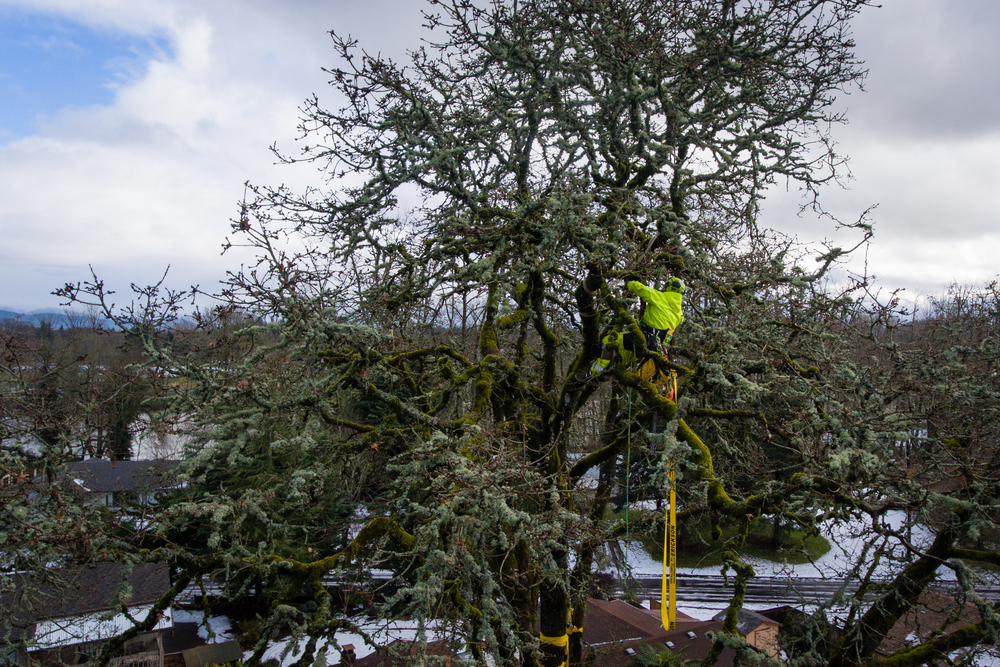
Winter landscapes may look serene, but for professional loggers and arborists, they present a unique set of technical and physical challenges. From the sub-zero temperatures affecting equipment to the increased risks of slips, breaks, and mechanical failure, winter demands a specific maintenance mindset. Those working in forestry or arboriculture during the colder months know that preparation is not a luxury. It’s a necessity for both productivity and safety.
Proper winterization routines can extend the life of your tools, prevent on-the-job accidents, and ensure maximum efficiency in harsh environments. Whether you’re running chainsaws from top-tier brands like Husqvarna or Stihl or scaling icy tree trunks with a full load of climbing gear, having a solid winter maintenance plan is critical. This guide offers insights and actions that logging and tree care professionals can take to keep their gear and themselves in optimal condition during the toughest time of the year.
Engine Efficiency in the Cold: Fine-Tuning Power Equipment
One of the first steps in cold-weather preparation is ensuring that your power tools are set to handle winter conditions. Many loggers and arborists rely heavily on high-performance brands like Husqvarna and Stihl, both of which include specific winter settings to optimize performance when temperatures drop.
For example, chainsaws may come with a winter shutter or pre-heater setting that redirects warm air from the engine to the carburetor. This prevents carburetor icing and ensures smoother startup and operation. Adjusting these settings should be a part of any regular cold weather inspection to keep your machines in peak form. Neglecting this step can result in hard starts, poor performance, or even long-term engine damage.
Fuel choice also becomes increasingly important in cold weather. Ethanol-blended fuels can attract moisture, leading to fuel line freezing or internal corrosion. Opting for fresh, ethanol-free fuel where possible can reduce this risk. It is also wise to add a fuel stabilizer to maintain fuel integrity over longer idle periods, which are more common in winter.
Cold Weather Hydraulic Maintenance: Keeping Systems Responsive
Professional logging equipment service extends beyond chainsaws. For those operating skidders, harvesters, or other hydraulic-powered machinery, winter introduces specific challenges to hydraulic system performance. Cold temperatures increase the viscosity of hydraulic oil, which can lead to slower response times and increased wear on pumps and valves.
Before winter begins, swap out summer-grade fluids for those formulated specifically for low temperatures. These cold-weather hydraulic fluids maintain flow characteristics even in freezing conditions, which helps maintain system efficiency and minimizes the risk of internal damage.
It’s also important to inspect hoses and fittings thoroughly. Rubber becomes brittle in cold conditions, making it more prone to cracking or bursting under pressure. Regular checks for leaks, bulges, or stiffness in the lines can catch early signs of wear before they become catastrophic failures. Remember, hydraulic failure in the field can stall operations for hours or even days, leading to missed deadlines and reduced revenue.
Arborist Gear Inspection: Stay Secure, Stay Safe
Tree climbing in winter is significantly riskier than during other seasons. Ice, snow, and freezing rain can compromise grip, visibility, and gear performance. This makes arborist gear inspection a crucial task before every job.
Ropes must be thoroughly examined for stiffness or signs of moisture damage. Even if synthetic ropes are designed to withstand cold, frozen moisture can reduce flexibility and friction control, increasing the chances of slippage during climbs or descents. If any rope appears frayed, discolored, or rigid, it should be retired immediately.
Carabiners, ascenders, and other metal components can also be affected by freezing temperatures. Lubrication points may seize, or internal springs may become sluggish. Applying cold-rated lubricants and testing all moving parts before use is essential. Additionally, store gear in temperature-controlled areas to prevent ice accumulation, especially on life-support components.
Harnesses and padding should be checked for cracking or excessive stiffness, particularly if they have been stored in a truck or trailer overnight. Always allow gear to acclimate to outdoor temperatures before use to avoid sudden material failure.
Climbing Gear Safety in Ice and Snow
Climbing in winter brings with it the very real danger of icy bark, hidden weaknesses in frozen branches, and reduced dexterity due to thick gloves. Climbing gear safety during this season isn’t just about equipment. It is also about how you interact with your gear in the environment.
Use gloves that offer both insulation and flexibility, allowing for proper grip on ropes and tools. Layering clothing in a way that doesn’t restrict movement while still offering wind and water resistance is critical. Take extra care when choosing tie-in points, as deadwood or frozen limbs may not support your weight the same way they would in warmer months.
Footwear traction is another key consideration. Crampons or spiked climbing boots can provide better grip when ascending icy trees or working on frozen ground. If your work takes you to coniferous trees laden with snow, be aware of snow dumps from above and plan your movements accordingly.
Remember, muscle fatigue sets in faster in the cold, especially if your movements are restricted by heavy clothing or if you’re expending extra energy to maintain balance on slippery surfaces. Take frequent short breaks, warm your hands regularly, and remain vigilant throughout the climb.
Professional Logging Equipment Service: A Seasonal Checklist
To keep operations running smoothly through winter, a proactive approach to maintenance is crucial. A professional logging equipment service should include more than just fixing what’s broken. It must be rooted in prevention and adaptation.
Check air filters frequently, as snow and moisture can clog them more quickly than dust during dry months. Inspect spark plugs and ignition systems for signs of corrosion. Test electric starts and battery levels routinely, especially on machines stored outdoors, as batteries can lose charge faster in cold conditions.
If you’re not already maintaining a service log for each piece of equipment, winter is the perfect time to start. Track oil changes, filter replacements, inspections, and any issues that arise during use. This record will help you identify patterns, improve scheduling of preventative service, and make better decisions about when to repair or replace aging gear.
Storing equipment properly is equally important. Heated storage is ideal, but even unheated sheds are better than leaving machines exposed to the elements. Always clean off snow and ice before storing equipment to prevent moisture damage, and use covers when possible.
Conclusion
Winter introduces a series of harsh variables for those working in logging and arboriculture. From icy climbs to sluggish engines, every aspect of the job becomes more complex and demanding. However, with thoughtful preparation, attention to detail, and consistent maintenance, professionals can continue their work safely and effectively.
By tuning your machines to cold-weather specifications such as the Husqvarna or Stihl winter settings, managing hydraulic systems properly, conducting thorough arborist gear inspections, and reinforcing climbing gear safety protocols, you set yourself up for success. Integrating these practices into your routine ensures that your equipment lasts longer, your operations remain productive, and most importantly, your team stays safe on the job.
There is no substitute for diligence when working in the cold. Professional loggers and arborists know that a well-maintained tool is more than just a convenience in winter; it is a lifeline.