
Chainsaw Not Cutting Straight? Here’s What’s Causing It (and How to Fix It)
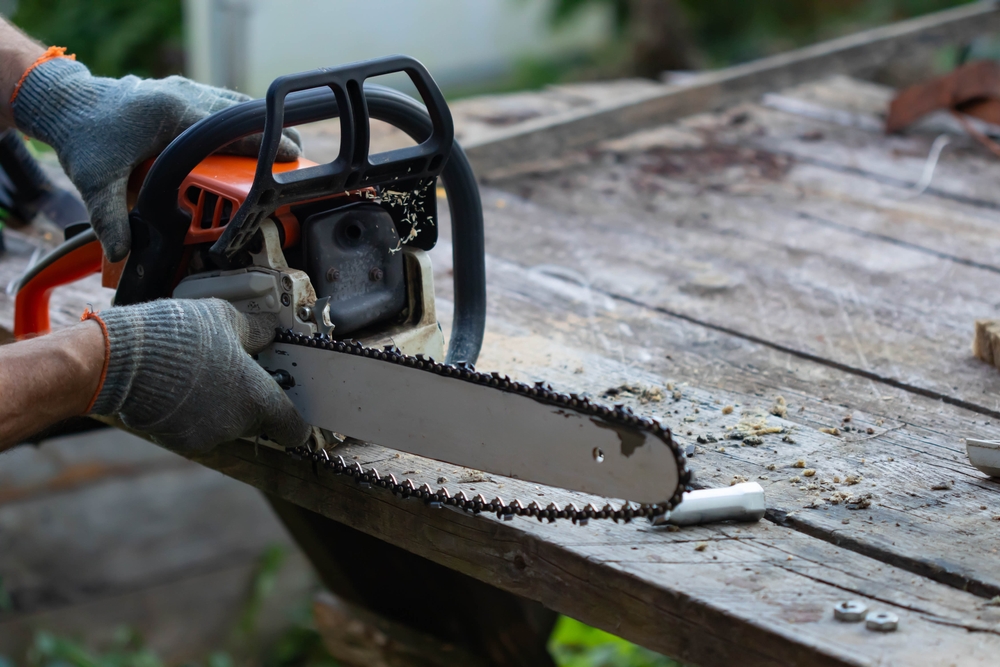
A chainsaw that doesn’t cut straight can turn a routine task into a frustrating experience. Whether you’re pruning trees, cutting firewood, or tackling a larger project, a misaligned cut isn’t just inefficient — it can also be dangerous. If you’re dealing with a chainsaw that veers off course, it’s important to understand the root causes and how to correct them. For homeowners and professionals alike, learning these solutions can save time, reduce wear and tear on your equipment, and even help avoid injuries.
For those located in or near Bells, TN, chainsaw repair and expert advice are closer than you think. Understanding why your chainsaw isn’t cutting straight is the first step toward getting your power equipment back in peak condition. Below, we’ll explore some of the most common chainsaw problems that can affect cutting accuracy, and we’ll offer practical fixes that work whether you’re doing it yourself or seeking out power equipment repair in West Tennessee.
Uneven Chain Sharpening
One of the most frequent reasons a chainsaw doesn’t cut straight has to do with how the chain is sharpened. Over time, as the chain dulls, users may sharpen the teeth inconsistently. When the cutters on one side are shorter or sharper than those on the opposite side, the chainsaw will naturally drift toward the side with the less aggressive cutters. This asymmetry causes the bar to veer off its intended cutting path.
If you’ve recently sharpened your chain and noticed that it started cutting crooked afterward, there’s a good chance uneven sharpening is the issue. Fortunately, this is a correctable mistake. Start by examining the chain closely. Look at each cutter’s length and angle. If you’re unsure what to look for, taking the saw to a shop that specializes in chainsaw repair in Bells, TN can help. Alternatively, you can resharpen the chain using consistent angles and pressure on both sides.
Mastering the art of sharpening your chainsaw chain can take time, but it’s essential for anyone who relies on the tool regularly. Use a guide or jig for precision, and remember to count the strokes on each tooth. For more chainsaw chain sharpening tips, consider reaching out to a local expert or attending a workshop offered by power equipment professionals in West Tennessee.
Worn or Damaged Guide Bar
Even if your chain is razor sharp and perfectly even, a damaged guide bar can still throw off your cuts. The guide bar is what holds the chain in place and ensures it runs smoothly along its path. Over time, the bar can develop uneven rails, wear on one side, or become bent. When this happens, the chain doesn’t move consistently, which causes it to deviate from a straight line during cutting.
Check the guide bar for signs of wear. You might notice that one side of the bar is more worn down than the other, or you may feel a slight bend when holding it up to eye level. Also inspect the bar groove, which can become clogged or distorted. If any of these signs are present, it might be time for repair or replacement.
Technicians skilled in power equipment repair in West Tennessee can inspect the bar using specialized tools to measure wear and straightness. If the bar is salvageable, they may be able to resurface it. If not, replacing it is the best option to restore the chainsaw’s cutting accuracy and efficiency.
Chain Tension Problems
Another common cause of a chainsaw not cutting straight is improper chain tension. A chain that’s too tight can strain the motor and reduce cutting ability. On the other hand, a loose chain can wobble and jump out of alignment, especially when cutting hardwood or at odd angles. Both situations lead to erratic cuts and can cause the bar to drift.
To test your chain’s tension, wear protective gloves and gently pull the chain away from the bar. It should have a slight give but should snap back into place without sagging. If it’s too tight or too loose, consult your saw’s manual for tensioning instructions or visit a local chainsaw repair shop in Bells, TN for assistance.
A well-tensioned chain reduces vibrations, improves accuracy, and extends the life of both the chain and the bar. Make it a habit to check the chain tension before every use, especially if the saw has been sitting for a while or if you’ve just changed the chain.
Worn Chain or Incorrect Chain Type
Sometimes, the chain itself is the problem. Like any cutting tool, chains wear out. A chain that has seen better days may have chipped teeth, worn links, or a damaged drive link, all of which contribute to crooked cuts. Additionally, using the wrong type of chain for your particular guide bar or cutting application can result in poor performance.
Check to make sure you’re using the correct chain pitch and gauge for your saw. Using the wrong combination can cause the chain to sit improperly on the bar, leading to uneven wear and poor cutting alignment. If you’ve replaced the chain recently, double-check the packaging and your saw’s specifications.
If you’re unsure about compatibility, bringing your equipment to a shop offering power equipment repair in West Tennessee is a wise move. Professionals can match your saw with the ideal chain and ensure it’s properly installed and adjusted.
Cutting Technique and External Factors
Even if everything mechanically checks out, the way you’re using your chainsaw can also affect cut quality. Holding the saw at an angle, using excessive force, or failing to stabilize the wood properly can all contribute to an uneven cut. Environmental factors, such as knots in the wood or uneven grain, can also play a role.
To cut straight, ensure you’re applying even pressure and letting the saw do the work. Avoid tilting the saw to one side, and always support the material you’re cutting so it remains steady. Experienced users know that finesse often wins over force when it comes to precision.
New users might benefit from watching experienced operators or taking a course that covers not only chainsaw chain sharpening tips but also proper cutting techniques. While technique is something that improves with time and practice, even seasoned chainsaw operators can develop bad habits. Taking the time to evaluate your method and refine your approach can make a big difference in cutting performance.
Conclusion
A chainsaw that doesn’t cut straight can signal several underlying issues, from simple user errors to more complex mechanical faults. Uneven sharpening, bar wear, improper tension, and even the type of chain used can all contribute to this frustrating problem. Fortunately, most of these issues are fixable with the right knowledge, tools, or assistance.
If you’re located near Bells, TN and need help diagnosing or fixing your chainsaw, professional chainsaw repair services are available to get your equipment back in top shape. Whether you’re seeking chainsaw chain sharpening tips or full-service power equipment repair in West Tennessee, don’t hesitate to reach out to local experts.
Keeping your chainsaw in prime condition isn’t just about performance; it’s also about safety. A properly maintained chainsaw cuts cleaner, lasts longer, and makes every job smoother. By addressing common chainsaw problems early and maintaining good cutting habits, you’ll ensure your saw stays a reliable tool for years to come.