
Chainsaw Repair and Storm Cleanup Gear in Crockett County
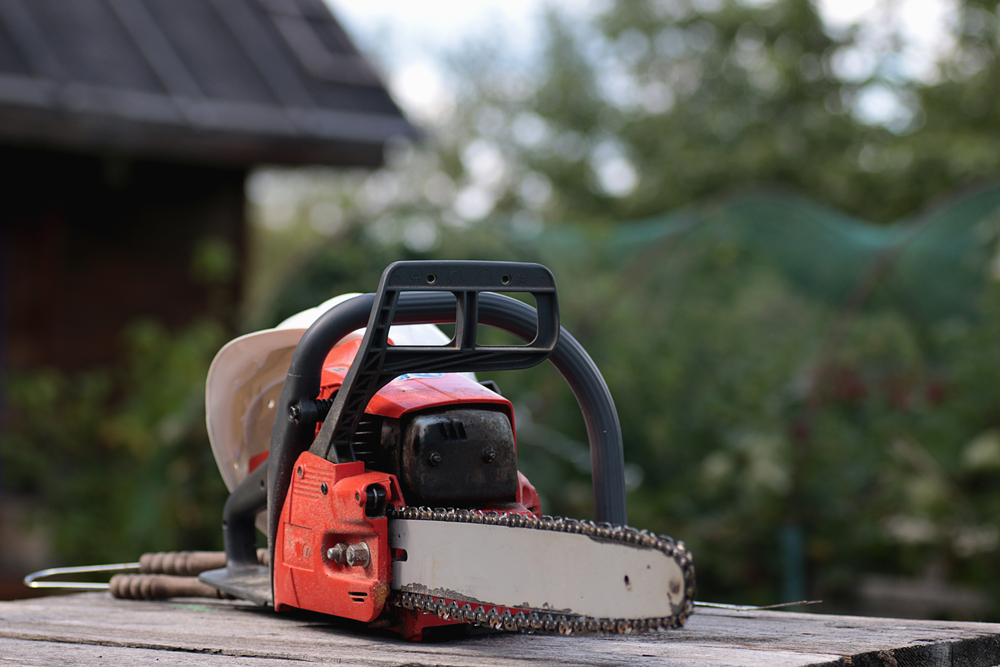
Storm cleanup around Crockett County can quickly turn into more than picking up a few branches. Strong thunderstorms and gusty winds can leave limbs across yards, fence lines, driveways, farm entrances, and wooded property around Bells and nearby communities.
Having a dependable chainsaw and the right cleanup gear can make the work more manageable, but equipment that has been sitting between storms may not be ready when it is suddenly needed.
Quick answer: Before starting storm cleanup, check your chainsaw for proper chain tension, sharp cutters, adequate lubrication, fresh fuel or a charged battery, and any visible damage. You should also have appropriate protective equipment and avoid cutting trees or limbs that are under tension, tangled with other trees, or close to power lines.
Local residents should keep these points in mind
-
Test a chainsaw before severe weather is expected rather than discovering a starting problem after branches are already down.
-
Crockett County thunderstorms can produce winds capable of dropping limbs and moving unsecured objects.
-
Chains, bars, air filters, fuel systems, and safety components should be inspected when a saw has been stored for an extended period.
-
Residents around Bells, Alamo, Gadsden, Friendship, and Maury City may encounter everything from small yard debris to larger rural-property cleanup.
-
Downed lines, hanging limbs, damaged trunks, and heavily loaded branches should be treated as hazards rather than routine DIY cutting jobs.
Why Chainsaw Readiness Matters in Crockett County
Chainsaw readiness matters in Crockett County because storms can create cleanup needs with little time to prepare equipment afterward. A saw that ran well several months ago can still develop fuel, chain, lubrication, or starting problems while sitting in storage.
The National Weather Service in Memphis regularly monitors severe weather across West Tennessee. In July 2026, one strong-thunderstorm statement specifically included Crockett County and Bells and warned that gusty winds could knock down tree limbs and move unsecured objects.
That type of weather makes preparation especially relevant for rural homes, farms, wooded lots, and properties with mature trees. Residents along county roads may also need to clear private drives, fence lines, or access routes after a storm.
Hill’s Repair Shop serves the Bells, Tennessee area. When chainsaws and storm cleanup equipment need attention, we encourage property owners to address equipment problems before the next cleanup job becomes urgent.
Local Data and Storm Observations
Local weather information confirms that Crockett County can experience thunderstorms capable of producing damaging winds and fallen limbs. The National Weather Service Memphis office is the primary weather forecast office serving much of West Tennessee, including this area.
Crockett County had an estimated population of 14,006 in 2025 according to the U.S. Census Bureau. The county includes communities such as Bells, Alamo, Friendship, Gadsden, and Maury City, giving storm cleanup needs a mix of residential, agricultural, wooded, and small-town settings. Tennessee state records identify these communities as municipalities within the area.
For property owners, the practical lesson is simple: equipment that may only be used occasionally still needs to be ready for sudden seasonal demand.
How Storm Damage Affects Local Property Owners
Storm damage can affect Crockett County property owners by blocking access, damaging fences and landscaping, and creating hazardous hanging or fallen limbs. Cleanup may range from cutting small branches into manageable sections to removing debris from a driveway or preparing larger material for professional removal.
A chainsaw that repeatedly stalls, cuts crooked, produces excessive vibration, or struggles through ordinary wood can slow that process and increase frustration.
Equipment readiness is particularly useful outside the more developed parts of Bells, where longer driveways, wooded edges, farm lanes, and larger properties can mean more debris to manage after wind events.
Warning Signs Your Chainsaw Needs Attention
A chainsaw should be inspected or repaired when it becomes difficult to start, cuts poorly, or shows signs that its normal safety and lubrication systems are not working correctly.
Watch for these warning signs:
-
The engine starts but repeatedly stalls under load.
-
The chain moves poorly or will not maintain proper tension.
-
The saw produces a noticeably crooked cut.
-
The chain requires excessive pressure to move through wood.
-
Bar-and-chain oil does not appear to be reaching the cutting components properly.
-
The saw vibrates differently than it normally does.
-
Starting becomes increasingly difficult after storage.
-
Safety controls or guards appear damaged, loose, or unreliable.
Continuing to force a poorly performing saw usually does not make storm cleanup easier. It may also turn a routine maintenance issue into additional component wear.
When to Call a Professional
Professional chainsaw service is appropriate when the problem involves the fuel system, ignition, clutch, chain brake, oiling system, internal engine components, or a problem that remains after basic maintenance.
Owners can safely perform simple checks such as inspecting the chain, cleaning accessible debris, reviewing fluid levels, and following the manufacturer’s maintenance instructions.
More complex repairs should not become trial-and-error projects, especially when the saw will soon be used around storm debris.
The cutting job itself also has limits. Never approach a tree or limb touching a power line. Trees that are split, leaning, suspended, uprooted, or loaded under tension can move suddenly when cut. Those situations may require a qualified tree professional or the appropriate utility rather than ordinary homeowner cleanup.
Common Causes of Chainsaw Problems Around Bells
The most common chainsaw problems around Bells are often connected to storage, normal cutting wear, debris buildup, and delayed maintenance between periods of use.
1. Old or Problematic Fuel
Gas-powered equipment that sits unused can become difficult to start or run poorly when the fuel system is not maintained according to the manufacturer’s recommendations.
2. A Dull Chain
Storm debris can be demanding on a chain, especially when wood is dirty or has contacted the ground. A dull chain may cut slowly and require unnecessary pressure.
3. Incorrect Chain Tension
A chain that is too loose or too tight can interfere with cutting performance and proper operation.
4. Bar and Oiling Problems
The guide bar and chain depend on proper lubrication. Debris buildup or lubrication issues can accelerate wear.
5. Dirty Airflow Components
Sawdust and fine debris are unavoidable during cutting. Regular cleaning according to the manufacturer’s instructions helps equipment operate as intended.
6. Long Periods of Storage
Many Crockett County homeowners do not run a chainsaw every week. Equipment may sit through long stretches before a thunderstorm suddenly creates several hours of cleanup work.
Storm Season Chainsaw Maintenance
Storm season chainsaw maintenance should focus on testing the saw early, keeping the cutting system properly maintained, and storing the equipment according to manufacturer instructions.
Before severe weather becomes likely, homeowners can:
-
Start and test the saw in a safe location.
-
Examine the chain for damage and sharpness.
-
Confirm proper chain tension.
-
Inspect the guide bar.
-
Check the lubrication system.
-
Inspect accessible filters and vents.
-
Confirm that safety features appear intact.
-
Check fuel or battery condition.
-
Keep protective gear together with the saw.
Do not wait until a tree limb is lying across the driveway to discover that the saw will not start.
For residents around Bells and rural Crockett County, a preseason equipment check can be especially useful before spring severe-weather periods and again before equipment is expected to handle heavier fall or winter property maintenance.
What to Expect From Chainsaw Repair
Chainsaw repair should identify the source of poor performance and restore the equipment to appropriate operating condition when repair is practical. The exact work required depends on the saw, its condition, and the symptoms it is showing.
A repair evaluation may involve examining starting problems, fuel delivery, cutting components, lubrication, controls, or other mechanical systems.
Some equipment may only need maintenance or replacement wear items. Other saws may have damage that requires more extensive work. An inspection helps determine which situation applies before additional money or time is put into the machine.
Common Storm Cleanup Mistakes
The most common storm cleanup mistakes involve using poorly maintained equipment, cutting unstable wood, and beginning work before identifying electrical or overhead hazards.
Mistake: Trying to force a dull chainsaw through a large limb.
Consequence: Slow cutting, additional effort, and unnecessary equipment strain.
Better approach: Address chain condition before beginning substantial cleanup.
Mistake: Cutting a bent or suspended limb without considering stored tension.
Consequence: The wood can move suddenly as fibers are released.
Better approach: Leave uncertain or heavily loaded situations to an experienced tree professional.
Mistake: Working near a downed power line because the line appears inactive.
Consequence: Electrical hazards may not be visually obvious.
Better approach: Stay away and contact the appropriate utility or emergency authority.
Mistake: Waiting until immediately after a storm to test equipment.
Consequence: A simple starting or maintenance problem becomes an urgent one.
Better approach: Test storm cleanup equipment before severe weather arrives.
A Common Crockett County Storm Cleanup Scenario
A common Crockett County scenario is a homeowner discovering several downed limbs after an overnight thunderstorm and pulling out a chainsaw that has not been used for months.
The saw may be difficult to start, the chain may have lost its edge, or the equipment may require maintenance before serious cutting begins.
The safer approach is to inspect the property first. Identify power-line hazards, unstable trees, overhead limbs, and wood under tension. Then separate routine debris that can be handled safely from work requiring professional tree removal.
Once the site is understood, properly functioning equipment and appropriate protective gear can make manageable cleanup much more straightforward.
Related Chainsaw and Storm Cleanup Solutions
Chainsaw repair and properly selected cleanup equipment can help local property owners prepare for routine post-storm debris removal.
Depending on the job, useful equipment may include a properly operating chainsaw, cutting accessories, protective equipment, hand tools, and other cleanup supplies appropriate for the material being handled.
For questions about chainsaw repair or storm cleanup gear, contact us to discuss what you need before your next property cleanup.
Comparing DIY Cleanup and Professional Help
DIY cleanup is most appropriate for accessible debris that can be cut and moved without electrical, structural, or tree-stability hazards. Professional help is the better route when specialized equipment or tree-removal expertise is required.
DIY work may be reasonable for small fallen branches resting securely on the ground. Professional assistance becomes more appropriate for leaning trees, damaged trunks, large overhead limbs, uprooted trees, tangled material, or anything near utility lines.
The chainsaw itself should also be considered. Routine owner maintenance is different from diagnosing mechanical or safety-system problems.
Service Areas
Our local focus includes Bells and the surrounding Crockett County area. Nearby communities include Alamo, Gadsden, Friendship, and Maury City, all of which are part of the same West Tennessee storm environment.
Contact us to discuss service availability for your specific location and equipment needs.
The Cost of Ignoring Equipment Problems
Ignoring chainsaw problems can lead to additional wear, poor cutting performance, and equipment that is unavailable when storm cleanup is necessary.
A starting issue that is inconvenient during routine yard work becomes much more disruptive when a driveway is blocked by fallen branches. Likewise, repeatedly using a dull or poorly adjusted cutting system can make every cleanup job harder than it needs to be.
Preparing equipment ahead of severe weather gives local property owners more time to address problems under normal conditions rather than during a storm cleanup.
FAQ
How often should I check my chainsaw in Bells, TN?
Check your chainsaw before each major use and before periods when storm cleanup may become necessary. If a saw has been stored for months, inspect it before relying on it. Follow the manufacturer’s maintenance schedule for fuel, batteries, filters, chains, guide bars, lubrication, and other service items.
Why will my chainsaw not start after sitting in storage?
A chainsaw that will not start after storage may have a fuel, ignition, battery, airflow, or maintenance-related problem. The cause varies by equipment type and condition. If normal manufacturer-recommended startup checks do not solve the issue, professional diagnosis can help avoid unnecessary parts replacement.
What storm cleanup gear should Crockett County homeowners keep available?
Useful storm cleanup gear generally includes appropriate personal protective equipment, sturdy hand tools, and properly maintained cutting equipment suited to the job. The exact equipment depends on your property and expected cleanup needs. Avoid treating specialized tree-removal equipment as a substitute for professional help with hazardous trees.
Are thunderstorms a real concern for tree damage around Bells?
Yes, thunderstorms can produce winds capable of breaking or dropping tree limbs around Bells and Crockett County. A July 2026 National Weather Service Memphis statement covering the area warned that wind gusts could knock down tree limbs and move unsecured objects.
Can I cut a tree that fell near a power line in Crockett County?
No, you should stay away from a fallen tree or limb that is touching or close to a power line. Do not assume a downed line is inactive. Contact the appropriate utility or emergency authority and keep other people away from the area until the electrical hazard has been addressed.
Why does my chainsaw cut crooked?
A chainsaw may cut crooked because of uneven chain wear, dull or damaged cutters, guide-bar wear, improper tension, or another cutting-system problem. Continuing to force the saw through wood is not the best solution. Inspect the cutting components and seek service if the cause is not clear.
Should Crockett County residents test chainsaws before storm season?
Yes, testing a chainsaw before severe weather is a practical way to uncover starting or maintenance problems before cleanup becomes urgent. Residents in Bells, Alamo, Gadsden, Friendship, and surrounding rural areas may benefit from checking equipment before spring storms and other periods of active weather.
When should a chainsaw be repaired instead of maintained at home?
Professional repair is appropriate when basic owner maintenance does not solve the problem or when the issue involves mechanical or safety-related components. Problems involving starting systems, fuel delivery, oiling, clutch operation, chain brakes, internal components, or unexplained performance changes deserve closer evaluation.
Be Ready for the Next Crockett County Cleanup
Storm debris is easier to deal with when your equipment is already prepared. For property owners in Bells and surrounding Crockett County communities, checking chainsaws and cleanup gear before severe weather can prevent equipment problems from becoming another challenge after the storm.
Get Your Chainsaw Ready for the Work Ahead
Prepare before fallen limbs turn equipment problems into cleanup delays. Contact us at Hill’s Repair Shop in Bells to discuss chainsaw repair and storm cleanup gear for your local property needs.