
Beat the West Tennessee Heat: The Ultimate Mid-Summer Lawn Mower Tune-Up Checklist
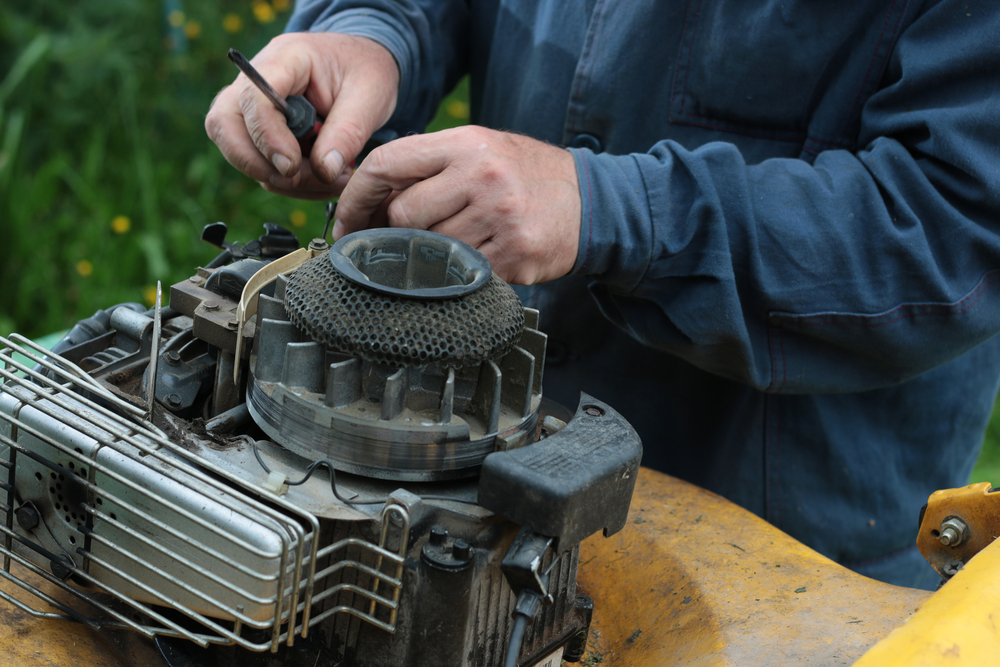
Summer in West Tennessee puts your lawn mower through some of its toughest working conditions. Long stretches of hot weather, thick grass growth, and dusty mowing conditions can take a toll on even a well-maintained machine. If your mower has been working hard since spring, mid-summer is the perfect time to give it the attention it needs before minor issues turn into costly repairs.
Quick Answer
A mid-summer lawn mower tune-up helps your equipment perform better during the hottest part of the mowing season. Cleaning the mower, changing the oil, replacing the air filter, sharpening the blade, checking the spark plug, and inspecting belts and tires can improve reliability, fuel efficiency, and cutting performance while helping prevent unexpected breakdowns.
What Local Readers Should Know
-
West Tennessee’s combination of heat, humidity, and fast-growing grass places extra stress on lawn mower engines during July and August.
-
Dusty conditions throughout Madison County and surrounding rural areas can clog air filters faster than many owners expect.
-
A dull mower blade tears grass instead of cutting it cleanly, which can leave lawns looking brown even after watering.
-
Regular tune-ups often catch worn belts, damaged blades, or leaking fuel lines before they become larger repair issues.
-
Mid-season maintenance can help your mower finish the rest of the growing season with fewer interruptions.
Why This Matters Locally
A mid-summer mower tune-up matters because West Tennessee lawns rarely get a break during the growing season. Warm temperatures, afternoon thunderstorms, and extended periods of humidity keep grass growing well into late summer. Whether you’re maintaining a residential yard in Jackson, caring for acreage outside Medina, or mowing commercial properties near Humboldt, equipment that skips routine maintenance often works harder than necessary.
At Hill’s Repair Shop, we know that dependable lawn equipment helps homeowners and property owners stay ahead of the season. We focus on keeping equipment running efficiently so our customers can spend less time dealing with breakdowns and more time enjoying a well-maintained property.
Local Field Observations
Professional field observations show that many mower repairs during late summer begin with maintenance items that could have been addressed earlier. Engines often arrive with clogged cooling fins, dirty air filters, worn spark plugs, or blades that have not been sharpened since spring. Hot weather simply makes existing problems more noticeable because engines operate under greater stress.
How West Tennessee Conditions Affect Your Lawn Mower
West Tennessee’s climate creates several challenges for outdoor power equipment.
High temperatures cause engines to run hotter.
Humidity increases engine workload while encouraging thick grass growth.
Frequent mowing means blades dull more quickly.
Dust from gravel driveways and rural roads clogs filters faster.
Occasional summer storms leave heavy, wet grass that demands more power from the engine.
These conditions make regular maintenance especially valuable throughout Madison County and nearby communities.
Mid-Summer Lawn Mower Tune-Up Checklist
A complete mid-season tune-up includes several simple inspections that help keep your mower operating efficiently.
Change the Engine Oil
Fresh oil reduces engine wear and helps carry heat away from moving parts. Dirty oil loses its protective qualities and can shorten engine life.
Clean or Replace the Air Filter
A clogged air filter restricts airflow, reducing power and increasing fuel consumption. Check the filter regularly during dusty summer conditions.
Inspect the Spark Plug
Replace a worn or fouled spark plug if needed. A healthy spark plug improves starting and promotes smoother engine performance.
Sharpen the Blade
A sharp blade cuts grass cleanly instead of tearing it. Clean cuts help lawns recover faster during hot weather.
Clean the Underside of the Deck
Grass buildup reduces airflow beneath the deck and can affect cutting quality. Removing debris also helps reduce corrosion.
Check Tire Pressure
Uneven tire pressure can create an uneven cut and make the mower harder to control.
Inspect Belts and Cables
Look for cracking, fraying, or excessive wear. Catching worn belts early may help avoid unexpected downtime.
Check Fuel Quality
Old gasoline can cause poor performance. If fuel has been sitting for an extended period, consider replacing it with fresh fuel according to the manufacturer’s recommendations.
Warning Signs Your Lawn Mower Needs Service
Your mower may need professional attention if you notice any of these problems.
-
Hard starting or repeated stalling
-
Excessive vibration while mowing
-
Uneven or ragged grass after cutting
-
Smoke from the engine
-
Loss of power in thick grass
-
Fuel leaks or unusual odors
-
Squealing belts or unusual noises
-
Difficulty engaging the blades
Ignoring these symptoms may allow relatively small issues to become more expensive repairs.
When to Call a Professional
Basic maintenance such as cleaning debris, checking tire pressure, or replacing an air filter is manageable for many homeowners.
Professional service becomes worthwhile when you notice engine performance issues, excessive vibration, fuel system problems, transmission concerns, electrical issues, or blade spindle damage. Proper diagnosis often prevents unnecessary parts replacement and helps identify problems before they become more severe.
Common Causes of Mid-Season Lawn Mower Problems
Several conditions commonly contribute to mower issues throughout West Tennessee.
1. Heat Stress
Long mowing sessions during high temperatures place additional stress on engines and cooling systems.
2. Dirty Air Filters
Dust and grass particles quickly accumulate during summer mowing.
3. Dull Blades
Repeated contact with sticks, rocks, and dry soil gradually reduces cutting performance.
4. Lack of Lubrication
Old oil increases engine friction and operating temperatures.
5. Deferred Maintenance
Skipping seasonal inspections allows minor wear to progress into larger repairs.
Prevention and Maintenance Tips
Preventive maintenance helps extend mower life while reducing unexpected repairs.
-
Clean the mower after each use.
-
Check engine oil regularly.
-
Replace worn filters according to the manufacturer’s recommendations.
-
Sharpen blades several times during the mowing season.
-
Avoid mowing during the hottest part of the day when possible.
-
Remove grass buildup beneath the deck frequently.
-
Store fuel properly and avoid using stale gasoline.
-
Schedule professional service if performance changes noticeably.
What Results Can You Expect?
A properly tuned mower typically starts more easily, cuts more evenly, runs more efficiently, and experiences fewer interruptions throughout the remainder of the mowing season. While no maintenance eliminates every possible repair, routine service helps keep equipment operating closer to its intended performance.
Common Mistakes Homeowners Make
Mistake: Waiting until the mower stops running before scheduling service.
Consequence: Small maintenance needs become larger repair bills.
Better Approach: Perform routine inspections throughout the mowing season.
Mistake: Continuing to mow with a dull blade.
Consequence: Torn grass becomes more vulnerable to heat stress and disease.
Better Approach: Sharpen or replace blades as needed.
Mistake: Ignoring unusual engine sounds.
Consequence: Minor mechanical issues may worsen over time.
Better Approach: Have unusual noises inspected before additional damage occurs.
A Common Local Scenario
A homeowner finishes mowing every week without noticing that the mower gradually becomes harder to start and begins leaving uneven stripes across the lawn. By late summer, a clogged air filter, dull blade, and worn spark plug combine to reduce performance significantly. A routine tune-up restores normal operation and helps avoid additional engine strain during the hottest weeks of the season.
Related Service Solutions
Routine mower maintenance may include:
-
Seasonal tune-ups
-
Blade sharpening
-
Oil changes
-
Air filter replacement
-
Spark plug replacement
-
Carburetor inspection
-
Belt inspection
-
General equipment diagnostics
DIY Maintenance vs. Professional Service
| DIY Maintenance | Professional Service |
|---|---|
| Cleaning debris | Engine diagnostics |
| Checking tire pressure | Carburetor repairs |
| Replacing air filters | Fuel system repairs |
| Basic oil changes | Belt and transmission repairs |
| Visual inspections | Advanced troubleshooting |
Service Areas
We proudly serve customers throughout West Tennessee, including Jackson, Medina, Humboldt, Milan, Three Way, and surrounding communities throughout Madison County and nearby areas.
The Cost of Ignoring Mid-Season Maintenance
Skipping routine maintenance can lead to increased fuel consumption, uneven cutting, unnecessary engine wear, and unexpected equipment downtime during the busiest part of the mowing season. Addressing small maintenance items early often helps avoid larger repairs later.
Frequently Asked Questions
How often should I tune up my lawn mower in West Tennessee?
A mid-summer tune-up is recommended if your mower has been used heavily since spring. West Tennessee’s long growing season often justifies additional maintenance beyond annual service.
Why does my mower struggle in thick Jackson lawns?
Heavy summer grass places additional demands on the engine. Dirty filters, dull blades, or worn spark plugs can reduce performance during demanding mowing conditions.
Can a dull mower blade damage my lawn?
Yes. A dull blade tears grass instead of cutting it cleanly, which can leave brown tips and place additional stress on the lawn during hot weather.
Is changing the air filter really necessary?
Yes. A clean air filter allows the engine to receive proper airflow, improving efficiency and reducing unnecessary engine strain.
What should I do if my mower vibrates excessively?
Stop using the mower and inspect the blade for damage. Persistent vibration should be professionally diagnosed to prevent further mechanical damage.
Does hot weather affect lawn mower engines?
Yes. High temperatures increase engine operating temperatures and make regular maintenance more important throughout West Tennessee.
Keep Your Lawn Mower Ready for the Rest of Summer
Mid-summer maintenance is one of the simplest ways to keep your mower dependable during the busiest part of the growing season. Regular inspections and timely repairs help extend equipment life while improving mowing performance throughout West Tennessee.
Keep Your Equipment Running Strong All Season Long
Our experienced team is ready to help keep your lawn mower performing at its best through the hottest months of the year.