
5 Signs Your Chainsaw Chain Needs Sharpening Before the Big Job
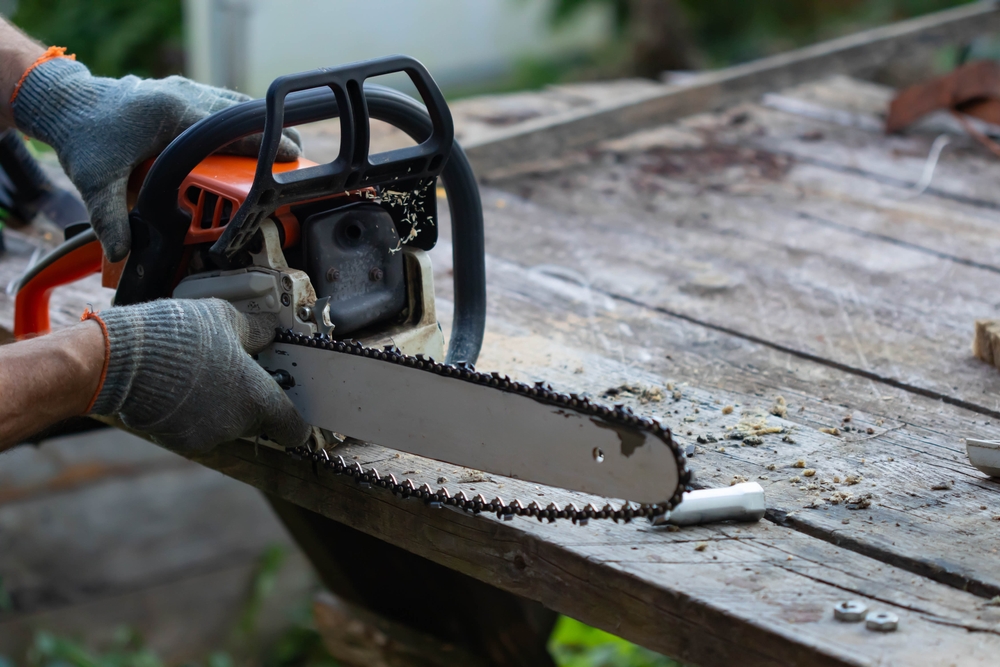
Whether you’re clearing storm damage, cutting firewood, or preparing fence posts around Bells, TN, your chainsaw is only as effective as its chain. A dull chain can slow your work, increase fuel consumption, and create unnecessary safety risks. Recognizing the warning signs before starting a major project can save time, money, and frustration.
Quick Answer
A chainsaw chain usually needs sharpening when it cuts slowly, produces fine sawdust instead of wood chips, pulls to one side, requires extra pressure to cut, or creates excessive vibration. Catching these signs early helps your chainsaw perform safely and efficiently, especially during busy cutting seasons in Crockett County and surrounding West Tennessee communities.
What Local Readers Should Know
-
A sharp chain cuts efficiently and safely, reducing strain on both the operator and the saw.
-
Sandy soil, storm debris, and hidden rocks around Bells can dull a chain faster than many people expect.
-
Spring storm cleanup and fall firewood season often lead to the highest demand for chainsaw maintenance in West Tennessee.
-
Regular sharpening extends chain life and helps prevent unnecessary wear on the guide bar and engine.
-
Inspecting your chain before every major cutting job can prevent delays once work begins.
Why This Matters Locally
A dull chainsaw chain is more than an inconvenience. Throughout Bells, Alamo, Friendship, Gadsden, and other nearby communities in Crockett County, many property owners rely on chainsaws for maintaining wooded lots, cleaning up after severe weather, and preparing firewood before colder months.
Hill’s Repair Shop understands that dependable equipment matters when there’s work to be done. We help local homeowners, landowners, and outdoor professionals keep their chainsaws operating at their best so projects stay on schedule.
Local Data or Field Observations
While chain wear depends on how and where a saw is used, one consistent field observation is that chains dull much faster after cutting dirty wood or logs that have contacted the ground. West Tennessee’s seasonal storms can leave fallen trees coated with mud, grit, and debris that quickly wear cutting teeth. Operators who frequently clear fence lines or wooded property often require sharpening more often than those cutting clean, seasoned firewood.
Local Impact
A dull chain affects more than cutting speed. It places additional stress on the engine, clutch, guide bar, and drive components. Property owners around Bells often have limited weekends available for outdoor projects, so unexpected equipment issues can delay work that depends on favorable weather.
For commercial users, landscapers, farmers, and tree service professionals, downtime can also mean missed appointments and reduced productivity.
5 Signs Your Chainsaw Chain Needs Sharpening
1. The Saw Produces Fine Sawdust Instead of Wood Chips
A sharp chain creates coarse, square-shaped wood chips. When the chain begins producing fine sawdust, the cutters are no longer slicing efficiently.
This is usually one of the earliest signs that sharpening is needed.
2. You Have to Push the Saw Through the Cut
A properly sharpened chain feeds itself into the wood with minimal pressure.
If you’re forcing the saw through logs or limbs, the cutters have likely become dull. Applying extra force not only increases fatigue but also raises the chance of kickback.
3. The Chainsaw Pulls to One Side
If your chainsaw consistently curves during a cut, uneven cutter wear may be the cause.
This often happens when one side of the chain becomes dull faster than the other or has been sharpened unevenly.
4. Excessive Smoke Appears During Cutting
Smoke isn’t always caused by engine problems.
A dull chain creates more friction against the wood, generating unnecessary heat. If your chain is properly lubricated but still produces smoke, sharpening should be one of the first things you check.
5. Increased Vibration and Rough Operation
A sharp chain cuts smoothly with relatively little vibration.
When cutters lose their edge, the chain tends to bounce and chatter across the wood instead of cutting cleanly. This makes the saw less comfortable to operate and can accelerate wear on other components.
When to Call a Professional
A chainsaw owner can safely monitor chain sharpness, chain tension, lubrication, and visible damage before each use.
Professional service becomes worthwhile if:
-
The chain has struck rocks, nails, or metal.
-
Multiple cutters are chipped or damaged.
-
The chain cuts unevenly after sharpening.
-
The guide bar shows excessive wear.
-
You’re unsure whether the chain can be safely restored.
Professional sharpening also helps maintain proper cutting angles that can be difficult to achieve consistently by hand.
Common Local Causes of Dull Chains
Several local conditions contribute to faster chain wear around Bells and nearby communities.
-
Storm cleanup often introduces dirt, sand, and hidden debris.
-
Fence row clearing frequently exposes chains to rocks and old wire.
-
Ground contact while bucking fallen trees dulls cutters almost immediately.
-
Cutting dirty firewood increases abrasive wear.
-
Long periods between maintenance allow minor dullness to become severe.
Prevention and Maintenance
Preventive maintenance is far easier than repairing damaged equipment.
Helpful practices include:
-
Inspect the chain before every major job.
-
Keep chain tension properly adjusted.
-
Maintain adequate bar and chain oil levels.
-
Avoid cutting directly into the ground.
-
Clean debris from the saw after each use.
-
Sharpen at the first signs of reduced performance instead of waiting for severe dullness.
Many local property owners schedule maintenance before spring cleanup and again before fall firewood season.
Expected Results
A properly sharpened chain typically delivers:
-
Faster cutting performance.
-
Cleaner, straighter cuts.
-
Reduced operator fatigue.
-
Less engine strain.
-
Longer guide bar and chain life.
-
Improved overall safety during operation.
Results vary depending on chain condition, saw maintenance, and cutting conditions.
Common Mistakes
Mistake: Waiting until the chain barely cuts.
Consequence: Increased wear on the saw and more difficult operation.
Better Approach: Sharpen at the first noticeable decline in cutting performance.
Mistake: Applying excessive pressure.
Consequence: Higher fatigue and increased kickback risk.
Better Approach: Let a properly sharpened chain do the work.
Mistake: Continuing to cut after striking the ground.
Consequence: Rapid cutter damage.
Better Approach: Stop and inspect the chain before continuing.
Common Local Scenario
A common situation around Bells occurs after a windstorm when fallen trees must be removed quickly. A homeowner begins cutting with a chain that performed adequately during the previous season. After several difficult cuts producing only sawdust, progress slows dramatically. A professional sharpening restores cutting efficiency, allowing the cleanup to continue safely without unnecessary strain on the equipment.
Related Service Solutions
Chainsaw performance depends on more than just a sharp chain. Related maintenance services often include:
-
Chainsaw chain sharpening.
-
Guide bar inspection.
-
Chain replacement.
-
Chain tension adjustment.
-
Drive sprocket inspection.
-
General chainsaw maintenance.
Comparing Your Options
| DIY Sharpening | Professional Sharpening |
|---|---|
| Lower upfront cost | Precise cutting angles |
| Requires proper files and technique | Consistent cutter length |
| Good for routine touch-ups | Helpful after striking rocks or metal |
| Takes practice | Saves time before major projects |
Service Areas
We proudly serve customers in Bells, Alamo, Friendship, Gadsden, Crockett County, and nearby West Tennessee communities. Whether you’re maintaining a small residential property or managing larger acreage, we’re here to help keep your equipment ready for the job.
Cost of Ignoring the Issue
Continuing to operate with a dull chain can increase fuel use, reduce productivity, wear out expensive components, and create additional safety hazards. Addressing sharpening needs early is usually less expensive than repairing damage caused by prolonged operation.
Frequently Asked Questions
How often should I sharpen my chainsaw chain in Bells, TN?
The answer depends on use, but many local property owners sharpen whenever cutting performance noticeably declines or after contacting dirt, rocks, or hidden debris common around rural properties.
Can a dull chain damage my chainsaw?
Yes. A dull chain forces the engine and cutting components to work harder, increasing wear over time.
Why is my chainsaw making sawdust instead of wood chips?
Fine sawdust is one of the clearest signs that the cutting teeth have become dull and need sharpening.
Does cutting storm-damaged trees dull chains faster around Crockett County?
Yes. Fallen trees often contain mud, sand, and embedded debris that quickly wear cutting edges.
Can I sharpen my own chain?
Yes. Many owners perform routine sharpening with the proper tools, although damaged or uneven chains often benefit from professional service.
Should I replace the chain instead of sharpening it?
A chain can often be sharpened several times. Replacement becomes appropriate when cutters become excessively worn, damaged, or reach their service limit.
Is chain sharpening worth it before a large cutting project?
Yes. Starting with a sharp chain improves efficiency, reduces fatigue, and lowers unnecessary wear on your saw.
What maintenance should I perform before firewood season in West Tennessee?
Inspect the chain, guide bar, lubrication system, air filter, spark plug, and chain tension before beginning heavy seasonal use.
Keep Your Chainsaw Ready for the Next Job
Routine sharpening is one of the simplest ways to improve chainsaw performance and extend equipment life. Staying ahead of maintenance helps you work more efficiently while reducing unnecessary wear on your saw.
Get Your Chainsaw Ready Before You Cut
Whether you’re preparing for storm cleanup, firewood season, or your next outdoor project in Bells and the surrounding area, we’re ready to help keep your equipment performing its best.