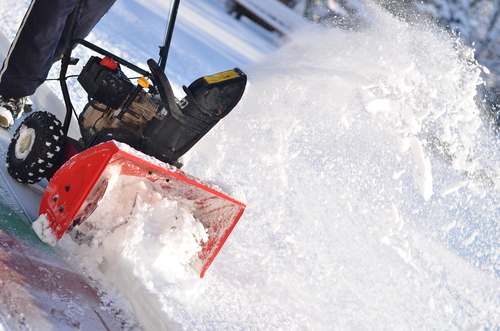
A snow blower, also known as a snow thrower, is a powerful machine designed to remove snow from driveways, sidewalks, and other surfaces. It works by scooping up the snow and throwing it out through a chute, allowing for quick and efficient snow removal. Snow blowers come in various sizes and types, including electric and gas-powered models, and are essential for those who live in areas with heavy snowfall.
Why is it Used For Snow Removal?
Using a snow blower for snow removal offers several advantages over manual methods such as shoveling. First and foremost, it saves a significant amount of time and effort. A snow blower can clear large areas in a fraction of the time it would take to shovel, making it ideal for homeowners and business owners who need to keep their properties accessible during winter. Additionally, snow blowers are less physically demanding, reducing the risk of back injuries and strain that often occur with manual snow removal. They also provide a more efficient and uniform clearing job, as they can throw snow farther and in a controlled manner, ensuring thorough removal without leaving behind any patches of snow.
Tips and Techniques For Efficient Snow Removal
1. Choose the Right Snow Blower
Before purchasing a snow blower, consider the size of the area you need to clear and the average snowfall in your region. Larger areas and heavy snowfall may require a more powerful and larger capacity snow blower. Electric snow blowers are suitable for smaller areas with lighter snowfall, while gas-powered snow blowers are better equipped for larger areas and heavier snowfall.
2. Prepare the Area
Before operating a snow blower, ensure the area is clear of any obstacles such as rocks, tree branches, and debris. These objects can damage the blades and impeller of the snow blower, causing it to malfunction. Additionally, clear the area of any small toys, hoses, or other items that could get caught in the machine and cause injury or damage.
3. Dress Appropriately
When operating a snow blower, it is crucial to dress appropriately for the weather conditions. Wear warm clothing, including a hat, gloves, and a waterproof jacket. It is also advisable to wear sturdy, non-slip boots that provide good traction on slippery surfaces. Protecting your hands and feet is essential when operating any power equipment.
4. Clear Snow in Layers
When removing snow, it is more efficient to clear it in layers rather than attempting to remove the entire depth of snow in one pass. Start with a shallow depth and gradually increase it until the desired clearance is achieved. This prevents overloading the snow blower and ensures a smoother operation.
5. Choose the Right Direction
When operating a snow blower, it is essential to blow the snow in the right direction. Consider the wind direction and avoid blowing snow onto neighboring properties or areas that have already been cleared. Instead, aim to blow the snow towards open areas, such as yards or empty spaces, where it won’t cause any inconvenience or damage.
6. Maintain the Machine
Regular maintenance of your snow blower is vital to ensure its efficiency and longevity. Check the oil levels, spark plug, belts, and blades regularly and replace or repair any worn-out or damaged parts promptly. Proper maintenance will keep your snow blower running smoothly and prevent breakdowns during crucial snowfall events.
7. Safety First
Always prioritize safety when operating a snow blower. Keep children and pets at a safe distance and never attempt to clear snow while someone else is standing nearby. Be cautious of any rocks, ice, or other hidden objects that may damage the machine or cause injury. Follow all manufacturer guidelines and never make any modifications to the snow blower that are not recommended.
Summary
By following these snow blowing tips for efficient snow removal, you can make your winter maintenance tasks more manageable and hassle-free. A snow blower is an invaluable tool that can save you time, effort, and potential injuries when clearing snow from your property. With proper technique and maintenance, you’ll be able to keep your driveways and sidewalks clear and safe throughout the winter season.
Need Snow Blower Maintenance in Bells, TN?
Welcome to Hill’s Repair Shop! We have been locally owned and operated since 1964! In our 58 years, we have dedicated ourselves to providing top-of-the-line sales, service, and repairs for all small engines and equipment. Please give us a call for more information!
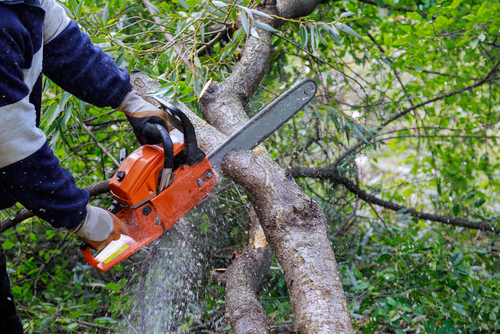
A chainsaw can be a powerful tool for various tasks such as pruning trees, cutting firewood, or even removing fallen trees. However, operating a chainsaw requires proper knowledge, skills, and safety practices to prevent accidents and injuries. In this blog post, we will discuss some essential safe practices to follow while operating a chainsaw.
Using Appropriate Protective Gear:
Before starting any chainsaw work, it is crucial to wear the appropriate protective gear. This includes heavy-duty gloves to protect your hands from cuts or abrasions, a helmet with a face shield to shield your face and eyes from flying debris, and hearing protection to guard against the noise produced by the chainsaw. Additionally, wearing non-slip boots will help provide stability and protect your feet from potential hazards.
Inspecting the Chainsaw:
Before using a chainsaw, it is important to inspect it thoroughly to ensure it is in proper working condition. Check the chain tension and adjust it if necessary, inspect the chain for any damage or dullness, and ensure all safety features like the chain brake, throttle lock, and anti-vibration system are functioning correctly. Also, make sure the fuel and oil levels are adequate as specified by the manufacturer.
Selecting the Right Chainsaw for the Job:
Choosing the right chainsaw for the task at hand is essential for safe and efficient operation. Chainsaws have different power levels and bar lengths, so make sure to select a chainsaw that matches the size of the wood you’ll be cutting. Using a chainsaw that is too small for the job could pose a safety risk, as it may struggle to cut effectively, putting extra strain on the chainsaw and increasing the chance of kickback.
Clearing the Work Area:
Before starting any chainsaw work, it is important to clear the work area of any obstructions, such as rocks, branches, or other debris. This helps prevent tripping hazards and allows for better movement while operating the chainsaw. Keep in mind the radius of the chainsaw bar and make sure there is enough space around you to maneuver comfortably.
Maintaining Proper Body Position:
Maintaining a proper body position while operating a chainsaw is crucial for both safety and efficiency. Stand with your feet shoulder-width apart and have a firm grip on the chainsaw handles. Keep a balanced stance and avoid overreaching or leaning too far in any direction. This will ensure better control and stability while cutting, reducing the risk of accidents.
Avoiding Chainsaw Kickback:
Chainsaw kickback is one of the most common causes of chainsaw-related injuries. It occurs when the moving chain near the tip of the bar makes contact with an object, causing the bar to kick up suddenly towards the operator. To minimize the risk of kickback, always hold the chainsaw with both hands and ensure your left hand is placed on the front handle. The front guard should also be engaged properly to prevent contact with the chain.
Safe Cutting Techniques:
Using safe cutting techniques is essential when operating a chainsaw. Begin cutting by positioning the chainsaw bar near the part of the wood that is furthest from your body. Allow the chain to reach full speed before starting the cut and gradually apply pressure while maintaining a steady pace. Avoid forcing the chainsaw through the wood and let the chainsaw do the work. Also, be aware of any potential hazards like knots or branches that could bind the chain.
Regular Chainsaw Maintenance:
Regular maintenance of your chainsaw is vital for ensuring its proper functioning and overall safety. Follow the manufacturer’s guidelines for routine maintenance, such as cleaning the air filter, sharpening the chain, and inspecting the spark plug. Properly maintained chainsaws are less likely to malfunction, leading to a safer operating experience.
Summary:
Operating a chainsaw requires caution, skill, and adherence to safe practices. By wearing the appropriate protective gear, inspecting the chainsaw, selecting the right equipment, clearing the work area, maintaining proper body position, and following safe cutting techniques, you can significantly reduce the risk of injuries while operating a chainsaw. Remember to perform regular maintenance on your chainsaw to keep it in optimal working condition. Always prioritize safety and use your chainsaw responsibly.
Need Chainsaw Maintenance in Bells, TN?
Welcome to Hill’s Repair Shop! We have been locally owned and operated since 1964! In our 58 years, we have dedicated ourselves to providing top-of-the-line sales, service, and repairs for all small engines and equipment. Please give us a call for more information!
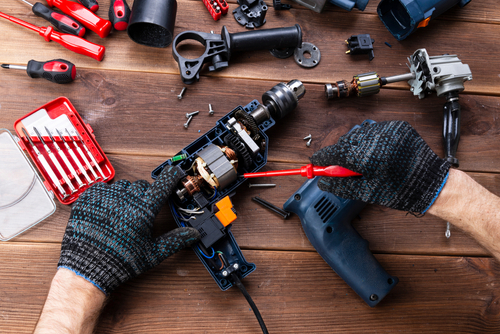
Power tools are an essential part of any handyman or DIY enthusiast’s toolkit. Whether you use them for woodworking, home repairs, or construction projects, it’s important to keep your power tools in good working condition to ensure safety and efficiency. However, over time, these tools can experience wear and tear, leading to decreased performance or even potential hazards. In this blog post, we will discuss some common signs that indicate your power tools may need repairs or replacement.
1. Loss of power or decreased performance
One of the most noticeable signs that your power tool needs attention is a loss of power or a significant decrease in performance. For example, if your drill was once powerful but now struggles to drill through even the simplest materials, it may indicate a problem with the motor or gearbox. Similarly, if your saw is no longer able to cut through wood smoothly and quickly, it may be time to have it repaired or replaced. Loss of power and decreased performance can be a result of worn-out parts or internal damage that needs professional attention.
2. Unusual noises or vibrations
Power tools that produce unusual noises or excessive vibrations often indicate underlying issues. If your power tool is making grinding, squealing, or knocking sounds, it may be a sign of worn-out bearings, loose parts, or damaged gears. Excessive vibrations can also be a cause for concern and indicate imbalance or misalignment. Ignoring these warning signs can lead to further damage and potential safety hazards, so it’s important to have your power tool inspected and repaired by a professional if you notice any unusual noises or vibrations.
3. Overheating or excessive heat generation
Power tools are designed to withstand prolonged use, but if you notice your tool becoming excessively hot during operation, it’s a cause for concern. Overheating can damage the internal components of your power tool and, in extreme cases, even lead to a fire hazard. Common causes of overheating include dust or debris clogging the ventilation system, a faulty motor, or an electrical issue. If you experience overheating, it’s crucial to stop using the tool immediately, let it cool down, and have it inspected by a professional before using it again.
4. Damaged power cords or switches
Power cords and switches are vulnerable areas of power tools and can easily become damaged over time. If your power tool’s cord is frayed, has exposed wires or damaged insulation, it poses a significant safety risk. Similarly, if the switch is loose, unresponsive, or difficult to operate, it should be addressed promptly. Using a damaged power cord or switch can result in electrical shock, short circuits, or even electrocution. In such cases, it’s necessary to either repair the cord or switch or replace them altogether to ensure safety during use.
5. Excessive wear and tear on parts
Power tools are subjected to significant stress and strain during use, which can cause wear and tear on various parts. If you notice excessive wear on the cutting blades, drill bits, or sanding pads, it may be an indication that those parts need to be replaced. Using worn-out parts can not only affect the performance of your power tool but also compromise the quality of your work. Regularly inspecting and replacing worn parts will help maintain the efficiency and longevity of your power tools.
6. Difficulty in starting or shutting down
If your power tool is difficult or slow to start, it may be a sign of an electrical problem or a worn-out starting mechanism. Additionally, if your tool fails to shut down or experiences a delay in turning off when you release the trigger, it could be an indication of a faulty switch or a malfunctioning electronic component. These issues should be addressed promptly, as they can lead to accidents or damage to the tool if left unattended.
Summary
Regular maintenance and prompt repair or replacement of power tools are essential for smooth and safe operation. By recognizing and addressing these signs of potential problems, you can ensure that your power tools continue to serve you well in all your future projects. Always refer to the manufacturer’s guidelines for maintenance and seek professional help from your local repair shop if you are unsure about repairs or replacements. Happy DIY-ing!
Need a Power Equipment Repair Shop in Bells, TN?
Welcome to Hill’s Repair Shop! We have been locally owned and operated since 1964! In our 58 years, we have dedicated ourselves to providing top-of-the-line sales, service, and repairs for all small engines and equipment. Please give us a call for more information!
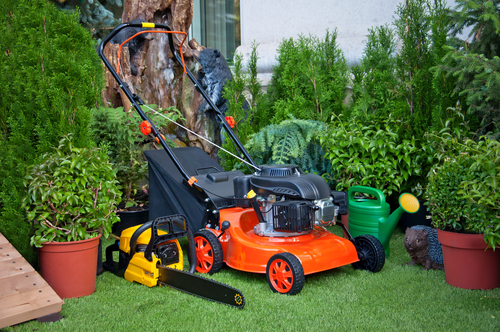
Maintaining a pristine and well-manicured outdoor space requires effort and the right tools. Outdoor power equipment has become a staple for homeowners and professionals alike, offering efficiency and convenience in managing various tasks. Let’s delve into the benefits of incorporating outdoor power equipment into your lawn and garden maintenance routine.
1. Time Efficiency
One of the primary advantages of outdoor power equipment is its ability to save time. Tasks that might take hours to complete manually can be accomplished swiftly with the aid of power tools. From lawnmowers that effortlessly trim the grass to leaf blowers that clear away debris in minutes, these tools allow you to dedicate more time to enjoying your outdoor space rather than toiling over its upkeep.
2. Precision and Consistency
Outdoor power equipment is designed for precision and consistency in performance. Whether it’s edging a lawn, trimming hedges, or pruning trees, these tools ensure a uniform and professional-looking result. The precision offered by power equipment allows you to create a well-groomed and aesthetically pleasing outdoor environment without the variations that might occur with manual methods.
3. Versatility in Functionality
Investing in outdoor power equipment often means gaining access to versatile tools that can handle multiple tasks. For instance, a high-quality string trimmer can function not only as a weed eater but also as an edger, providing dual functionality in a single tool. This versatility minimizes the need for an array of different manual tools, saving both storage space and expenses.
4. Physical Ease
Gone are the days of laborious manual labor in the garden. Outdoor power equipment is designed with ergonomic features to reduce physical strain and fatigue. Electric or battery-powered tools eliminate the need for strenuous pulling or repetitive motions, contributing to a more comfortable and enjoyable gardening experience. This accessibility makes outdoor maintenance tasks more inclusive, allowing individuals of varying physical abilities to participate in the upkeep of their outdoor spaces.
5. Environmental Friendliness
In recent years, there has been a shift towards more environmentally friendly outdoor power equipment. Battery-powered tools are becoming increasingly popular due to their lower carbon footprint compared to traditional gas-powered counterparts. These tools not only contribute to a cleaner environment but also offer users a quieter and emission-free alternative, making lawn care more sustainable and mindful of ecological concerns.
6. Cost-Effectiveness
While the initial investment in outdoor power equipment might seem substantial, it often proves to be cost-effective in the long run. High-quality tools are built to withstand regular use and are more durable than their manual counterparts. Additionally, the efficiency of power tools can lead to decreased maintenance costs for your outdoor space, as they prevent issues like overgrown grass, weed infestations, and unkempt hedges that might necessitate costly solutions.
7. Increased Property Value
A well-maintained outdoor space adds curb appeal and can significantly impact the value of your property. Outdoor power equipment ensures that your lawn, garden, and landscaping are consistently manicured and attractive. Whether you’re considering selling your home or just take pride in a well-kept property, the use of power tools contributes to a visually appealing and inviting exterior.
8. Year-Round Utility
Outdoor power equipment is not limited to specific seasons; it adapts to the changing needs of your outdoor space throughout the year. From leaf blowers for fall cleanup to snow blowers for winter maintenance, having a range of power tools ensures you’re well-equipped to face seasonal challenges. This adaptability allows for year-round care, promoting the health and vitality of your outdoor environment.
Powering Up Your Outdoor Experience
Incorporating outdoor power equipment into your lawn and garden maintenance routine is a game-changer. The benefits, ranging from time efficiency and precision to versatility and environmental friendliness, make these tools essential for anyone looking to elevate their outdoor space. As technology continues to advance, the outdoor power equipment market evolves, offering even more innovative and sustainable solutions. Embrace the power, and transform your outdoor maintenance into a more efficient, enjoyable, and visually stunning experience.
Need a Power Equipment Repair Shop in Bells, TN?
Welcome to Hill’s Repair Shop! We have been locally owned and operated since 1964! In our 58 years, we have dedicated ourselves to providing top-of-the-line sales, service, and repairs for all small engines and equipment. Please give us a call for more information!
With the arrival of warmer weather, many homeowners are beginning to focus on outdoor maintenance. This includes tasks such as mowing the lawn, trimming hedges, and maintaining the overall appearance of their property. To accomplish these tasks efficiently and effectively, it is important to have the right outdoor power equipment. But what do you need to know about outdoor power equipment before making a purchase? Let’s explore some key points to consider.
1. Types of Outdoor Power Equipment:
Outdoor power equipment encompasses a wide range of tools that are crucial for maintaining your yard. These can include lawn mowers, string trimmers, leaf blowers, chainsaws, and hedge trimmers, among others. Each tool has its specific purpose and is designed to make certain tasks easier. Before making a purchase, identify the equipment that suits your needs.
2. Power source options:
Outdoor power equipment can be powered by electricity, gasoline, or batteries. Each power source has its advantages and limitations. Electric-powered tools are generally more eco-friendly, emit lower noise levels, and require less maintenance. However, they are limited by the length of their cord or availability of a power source. Gasoline-powered tools offer greater portability and longer run times but require fuel and regular maintenance. Battery-powered tools provide the convenience of cordless operation, although they may have shorter run times and require battery replacements.
3. Safety considerations:
Outdoor power equipment can pose safety risks if not used correctly. It is important to read the user manual and follow all safety guidelines provided by the manufacturer. Always wear appropriate personal protective equipment (PPE), including goggles, ear protection, gloves, and appropriate clothing. Be cautious of the sharp blades or edges on certain equipment and ensure that children and pets are kept at a safe distance while operating these tools.
4. Maintenance and servicing:
To keep your outdoor power equipment in optimal condition, regular maintenance is essential. This includes cleaning, sharpening blades, and checking for any malfunctions or damages. Follow the manufacturer’s recommendations for maintenance intervals and consider scheduling professional servicing if required. Proper maintenance prolongs the lifespan of your equipment and ensures it operates effectively when you need it.
5. Budget and quality:
When purchasing outdoor power equipment, it is important to establish a budget. Prices for these tools can vary greatly, so it is essential to determine how much you are willing to spend. Consider the long-term value of the equipment rather than just the upfront cost. Low-quality tools may require more frequent repairs or replacements, whereas higher-quality tools typically come with better warranties and are more reliable.
6. Storage and space:
Before purchasing outdoor power equipment, evaluate the storage space you have available. Some equipment, especially larger ones like lawn mowers and snow blowers, require adequate storage space, while others can be hung on walls or stored in smaller sheds. Ensure you have sufficient space to store and maintain your equipment properly, as this can impact its longevity and efficiency.
7. Where to buy:
Lastly, consider where to purchase outdoor power equipment. Options include local garden centers, home improvement stores, and online retailers. Local stores often provide the advantage of personal assistance and the ability to physically evaluate the equipment before buying. Online retailers often offer competitive prices and a wider range of options. Regardless of where you purchase, ensure the retailer has a good reputation and provides warranty support.
Conclusion
Outdoor power equipment is an essential investment for homeowners looking to maintain their yards efficiently. By understanding the different types of equipment, power sources, safety considerations, maintenance requirements, budgeting, and storage needs, you can make an informed decision when purchasing your outdoor power tools. Remember to prioritize safety, quality, and the long-term value of your equipment. Happy gardening and yard maintenance!
Got Questions? Let Us Help!
Welcome to Hill’s Repair Shop! We have been locally owned and operated since 1964! In our 58 years, we have dedicated ourselves to providing top-of-the-line sales, service, and repairs for all small engines and equipment. Please give us a call for more information!